← All Oily Fish
 20min
 20min
 20min
.jpg) 20min
 20min
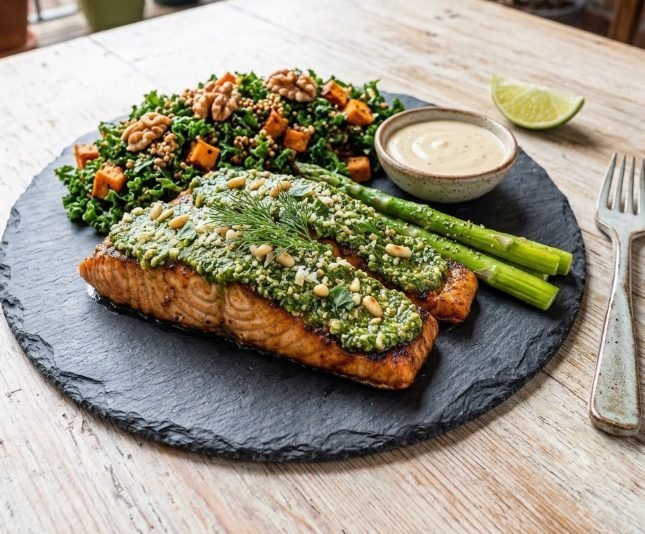 30 minutesmin
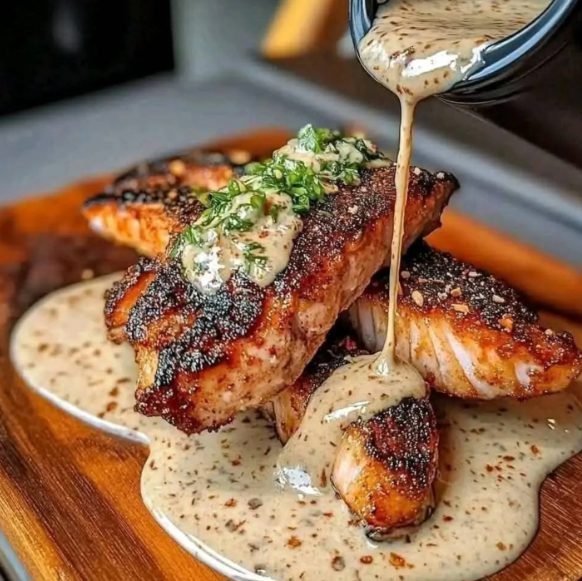 35 minutesmin
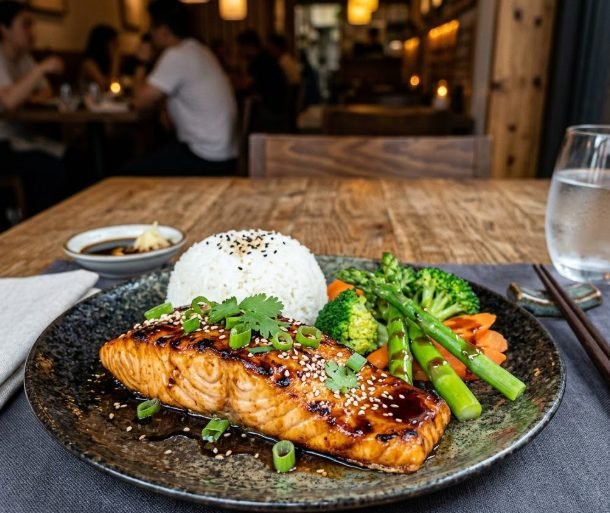 30 minutesmin
Salmon
Rich, orange-fleshed fish full of omega-3 fats. Farmed and wild, eaten cooked, cured or raw as sashimi.
Protein: about 20 g per 100 g
Vitamins & minerals: D, B12, B6, omega-3, selenium
Best uses in cooking: Baking, pan-searing, grilling, smoking, curing (gravlax), sushi and sashimi.
Nutrition facts
Per 100 g, raw Atlantic salmon (farmed)
- Calories208 kcal
- Protein20.4 g
- Fat13.4 g
- Carbohydrates0 g
- Fibre0 g
- Sugars0 g
- Iron0.34 mg
- Magnesium27 mg
- Calcium9 mg
- Potassium363 mg
- Zinc0.36 mg
- Sodium59 mg
- Vitamin A12 mcg
- Vitamin C3.9 mg
- Vitamin D10.9 mcg
- Vitamin E3.55 mg
- Vitamin K0.5 mcg
- Vitamin B123.18 mcg
- Folate26 mcg
Typical values from public food data (USDA). They vary by cut, variety, ripeness and cooking, so use them as a guide.
Cooking temperatures
- Medium-rare: 50-52°C (122-125°F), silky and translucent in the middle
- Medium: 55-57°C (131-135°F)
- Fully cooked: 63°C (145°F), the USDA minimum, flesh opaque and flakes easily
- Raw (sashimi): use only fish sold as sashimi-grade or previously frozen
Measure the thickest part with a probe thermometer and rest meat for about 3 minutes before cutting.
12 Cuts of Salmon
W
Whole Fish
The entire salmon. Cut along the back and belly to remove the head, tail and two fillets.
F
Fillet
A full side of the fish, skin on or off. Bake, grill or pan-sear.
L
Loin
The thick, even top part of the fillet. Best for neat portions, searing and sashimi blocks.
S
Steak
A cross-cut slice through the bone and skin. Good for grilling and poaching.
P
Portion (Supreme)
A trimmed, boneless piece cut from the loin, ready to cook.
B
Belly (Harasu)
The fatty strip along the belly, rich and soft. Grill or sear, or eat as sushi.
T
Toro (Belly)
The richest, most marbled belly meat. Served raw as sashimi or lightly seared.
S
Sashimi Block (Saku)
A skinless, boneless loin block cut for raw slicing. Use sashimi-grade fish.
H
Head & Collar
Meaty head and collar. Salt and grill, or simmer in soup and miso.
T
Tail
Thin, active piece with firm flesh. Good for stews, soups and frying.
T
Trimmings & Flakes
Offcuts good for fish cakes, pâté, pasta, sushi rolls and rice bowls.
S
Smoked Salmon
Cold- or hot-smoked salmon in sliced or flaked form.
Salmon Recipes
20min
20min
20min
20min
20min
30 minutesmin
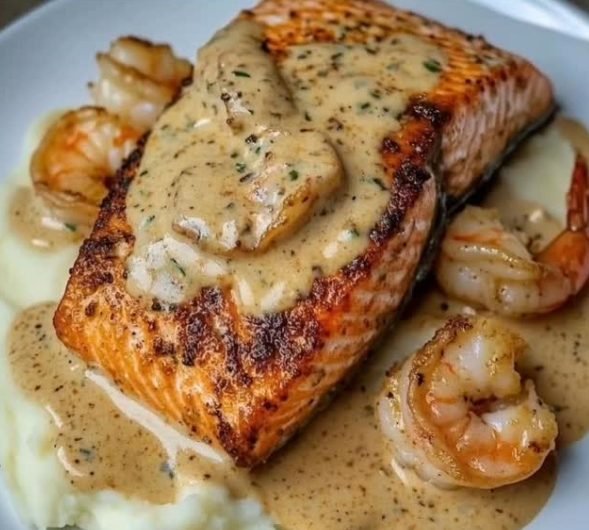
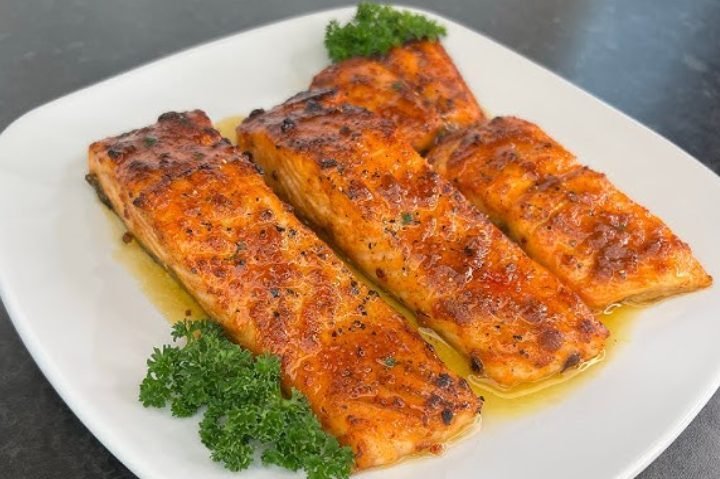
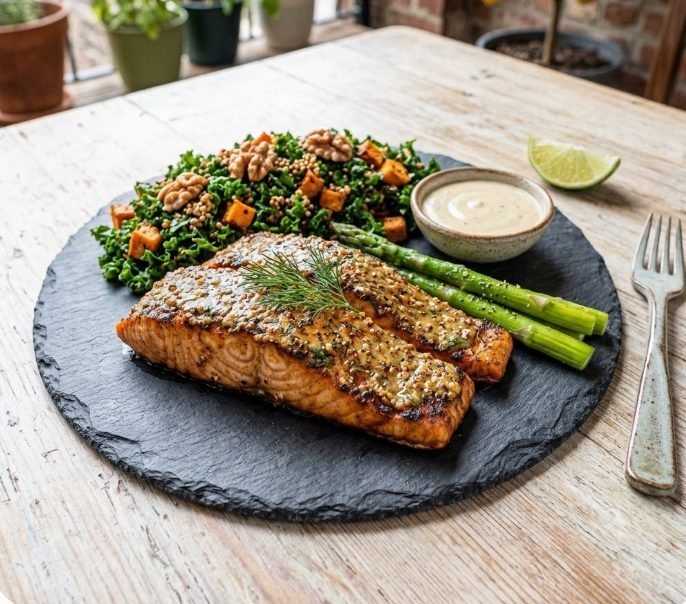 35 minutesmin
30 minutesmin