← All Lamb & Goat
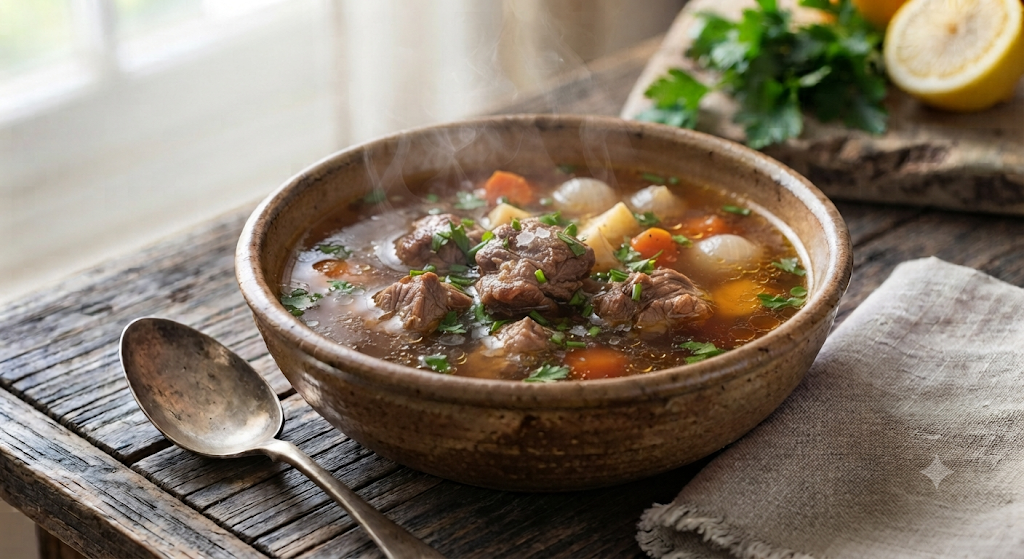 30min
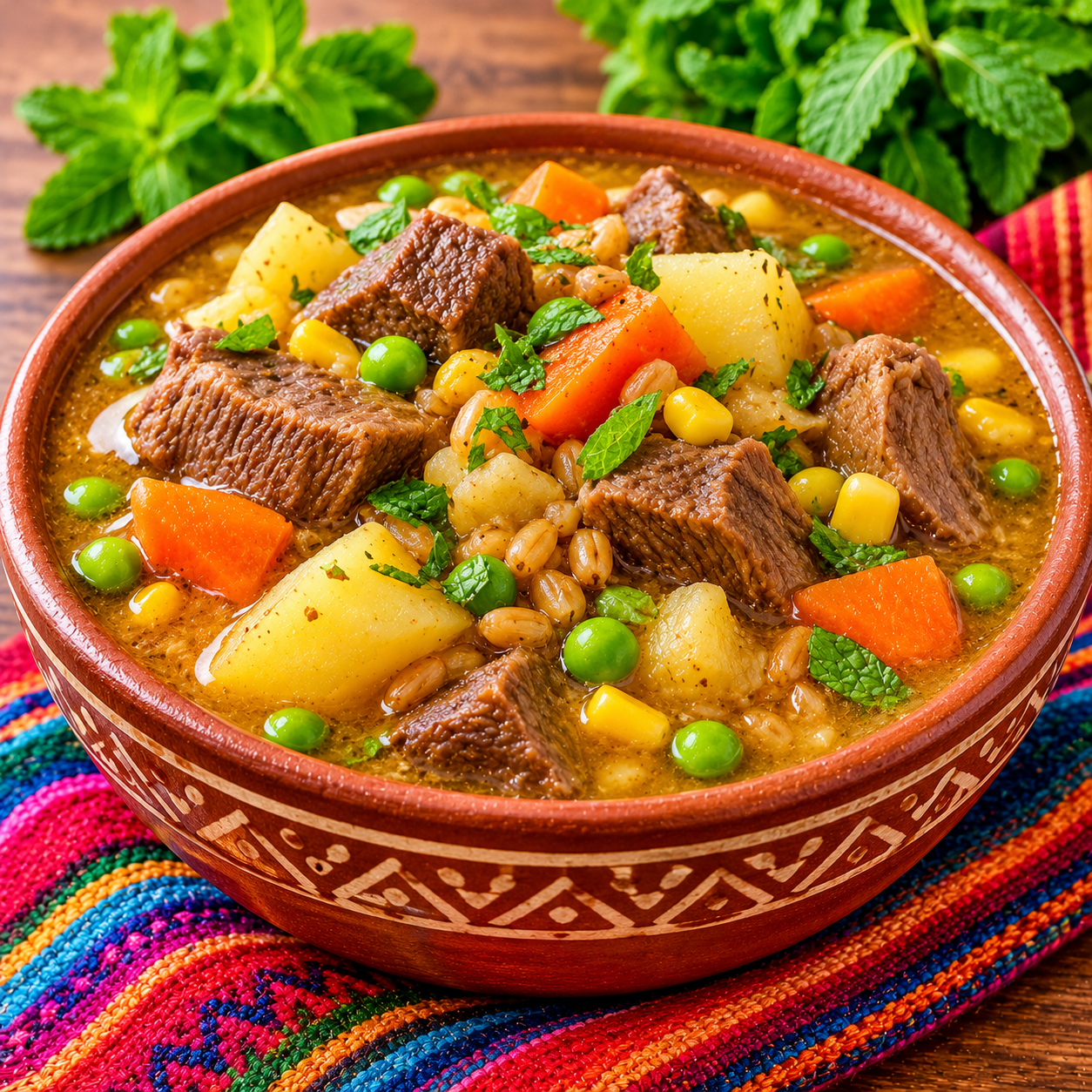 Preparation Time: 25 minutes Cooking Time: 1 hour 30 minutes Total Time: 1 hour 55 minutesmin
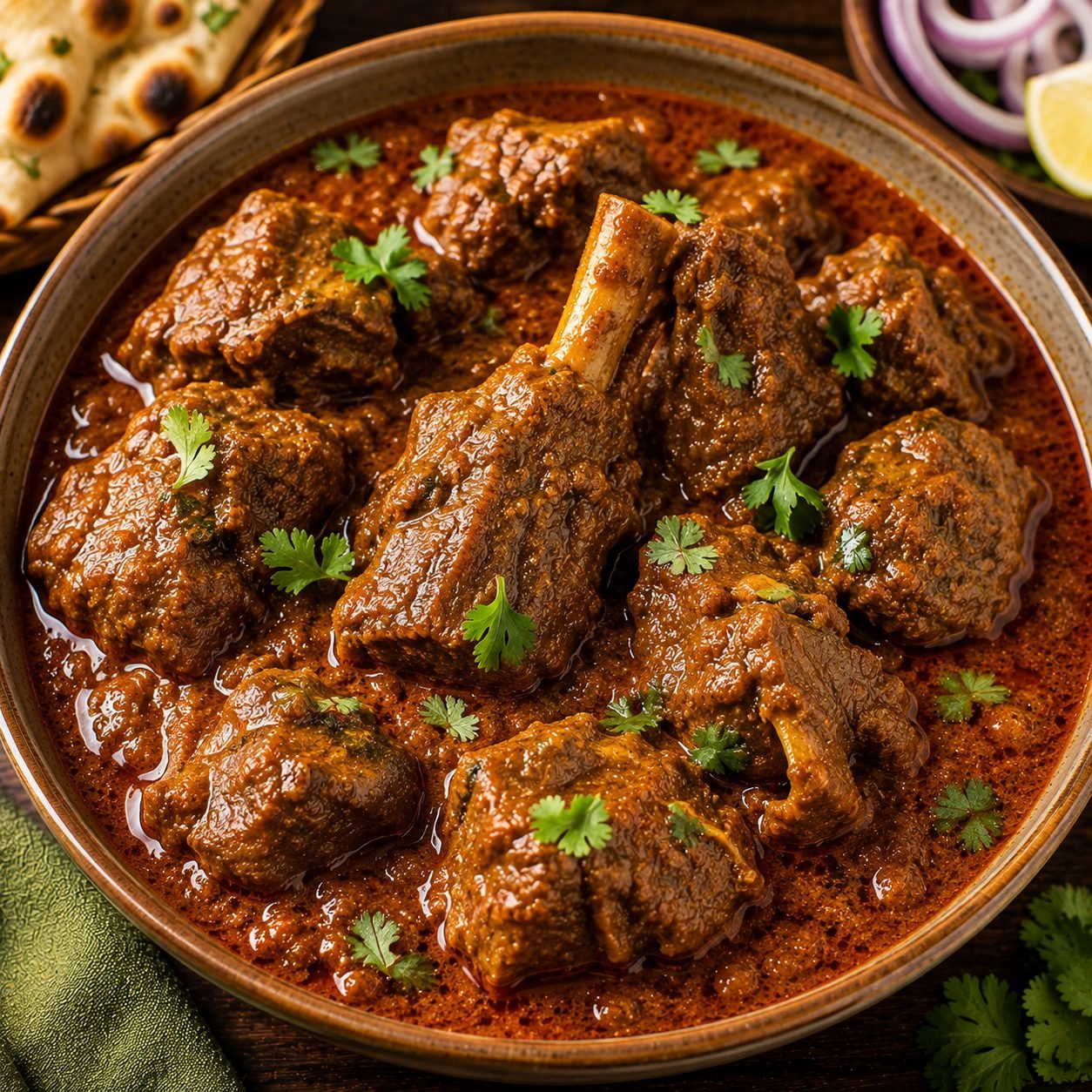 2 hours 10 minutesmin
 Approximately 4 hours 35 minutesmin
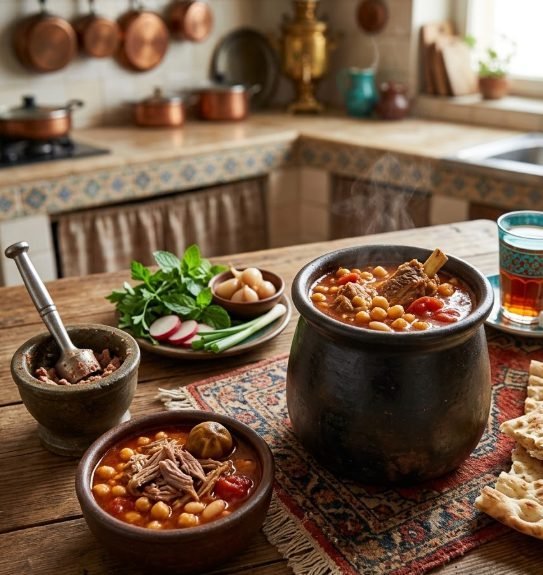 3 hoursmin
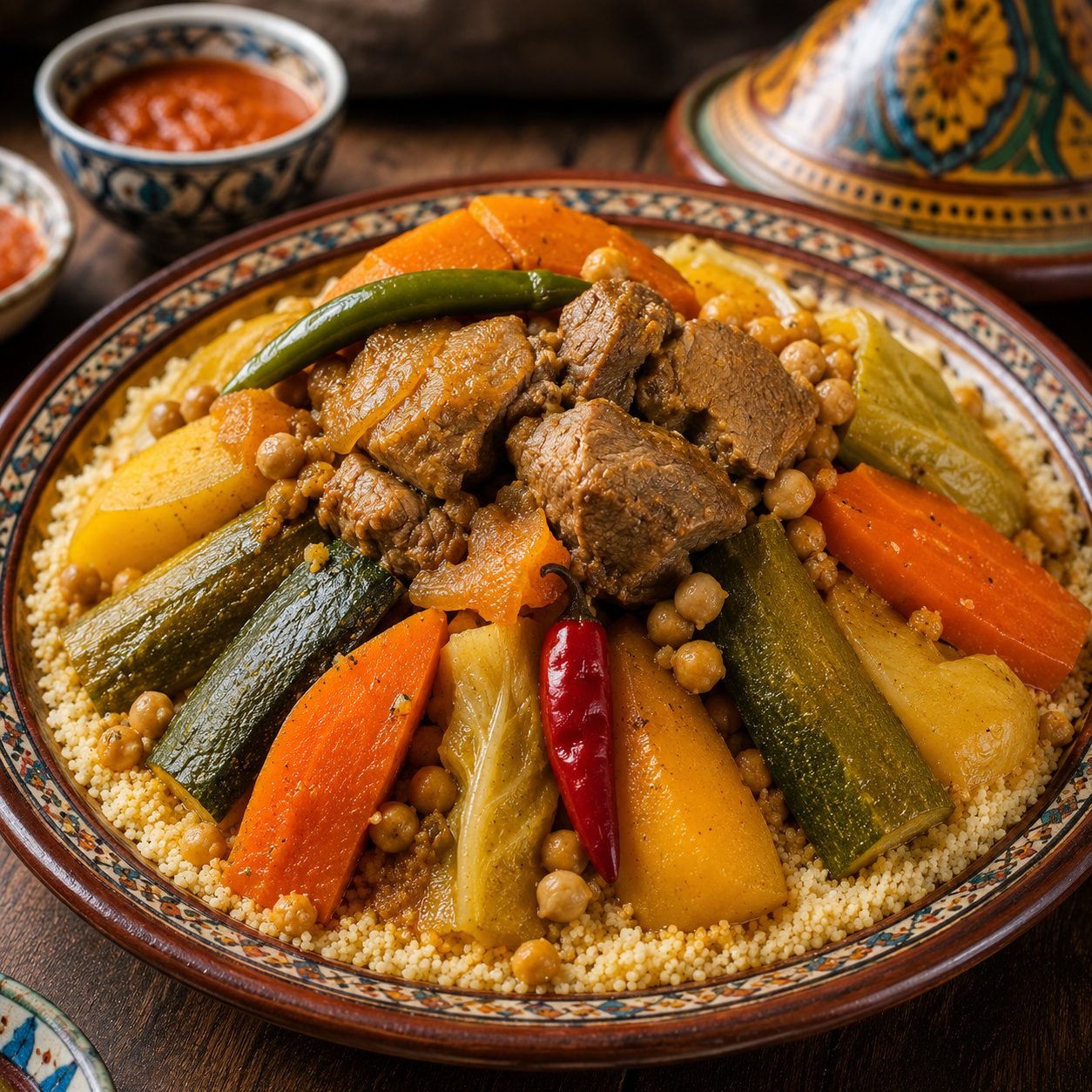 1 hour 45 minutesmin
 2 hours 30 minutesmin
 3 hours 30 minutesmin
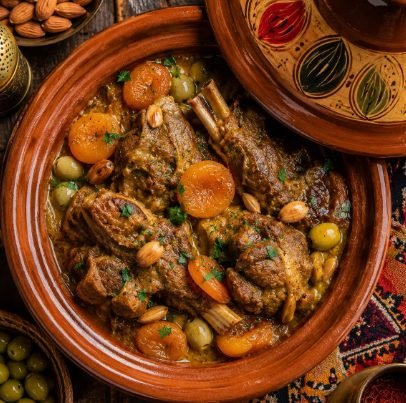 2 Hours min
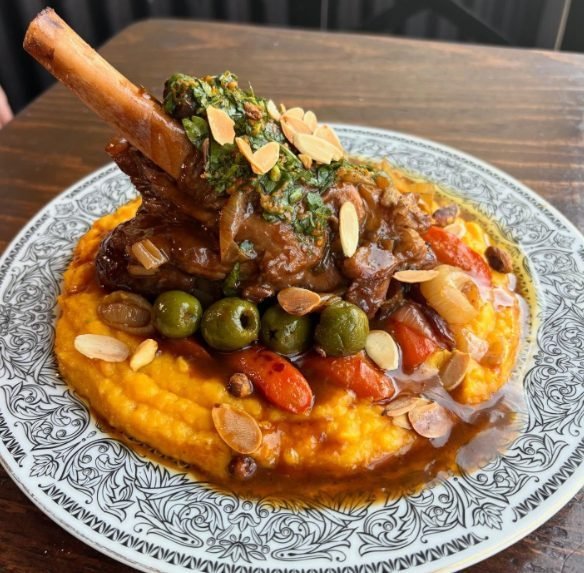 2 Hours min
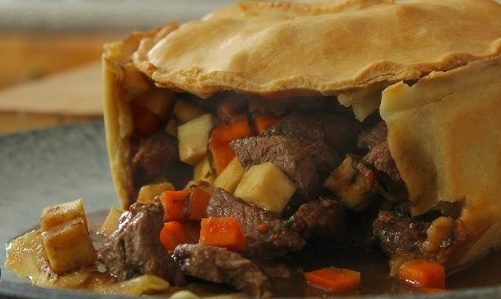 1 Hours min
 1 .3 Hours min
Lamb
Tender meat from young sheep with a rich, slightly sweet flavour. Mutton is the stronger meat from older sheep.
Protein: about 20 g per 100 g
Vitamins & minerals: B12, niacin, riboflavin, iron, zinc
Best cooking methods: Grilling, Roasting, Slow cooking, Pan-searing
Best uses in cooking: Roast leg, chops, kebabs, curries, tagines and slow-cooked shoulder.
Nutrition facts
Per 100 g, raw lean lamb (trimmed); shoulder and breast are fattier
- Calories160 kcal
- Protein20 g
- Fat8.5 g
- Carbohydrates0 g
- Fibre0 g
- Sugars0 g
- Iron1.8 mg
- Magnesium22 mg
- Calcium10 mg
- Potassium320 mg
- Zinc3.8 mg
- Sodium70 mg
- Vitamin A0 mcg
- Vitamin C0 mg
- Vitamin B122.1 mcg
Typical values from public food data (USDA). They vary by cut, variety, ripeness and cooking, so use them as a guide.
Cooking temperatures
- Medium-rare: 57°C (135°F)
- Medium: 63°C (145°F), the USDA minimum for whole cuts
- Well done: 71°C (160°F)
- Mince: 71°C (160°F)
- Slow-cooked shoulder & shanks: 90-95°C (195-205°F)
Measure the thickest part with a probe thermometer and rest meat for about 3 minutes before cutting.
11 Cuts of Lamb
L
Leg
Large lean joint for roasting whole or cutting into steaks and kebabs.
S
Shoulder
Fatty and flavourful. Slow roast until it falls apart, or dice for curries. Cook to: Slow roast or braise: 90-95°C (195-205°F) until it pulls apart
R
Rack of Lamb
Eight tender rib bones. Roast pink for a dinner-party centrepiece. Cook to: Medium-rare 57°C (135°F), medium 63°C (145°F). Rest 5 to 10 minutes
L
Loin Chops
Small tender chops like a mini T-bone, quick to grill or fry.
C
Cutlets
Single-rib chops from the rack, sweet and tender.
C
Chump
Meaty cut above the leg, good for steaks and grilling.
N
Neck & Scrag
Cheap and rich cut for stews, hotpots and stock.
S
Shank
Lower leg for slow braising until the meat falls off the bone. Cook to: Braised: 90°C (195°F) until the meat falls off the bone
B
Breast & Ribs
Fatty, sweet ribs for roasting and barbecue.
L
Lamb Mince
Ground lamb for kofta, moussaka, shepherd's pie and burgers. Cook to: 71°C (160°F) throughout
L
Liver & Kidneys
Quick-cooked offal rich in iron and vitamin A.
Lamb Recipes
30min
Preparation Time: 25 minutes Cooking Time: 1 hour 30 minutes Total Time: 1 hour 55 minutesmin
2 hours 10 minutesmin
Approximately 4 hours 35 minutesmin
3 hoursmin
1 hour 45 minutesmin
2 hours 30 minutesmin
3 hours 30 minutesmin
2 Hours min
2 Hours min
1 Hours min
1 .3 Hours min