← All Squash, Pumpkins & Melons

 Horned Melon (Kiwano)
Spiky orange skin and green jelly flesh. Rich in antioxidants and boosts immunity.
 Snap Melon
Indian melon that splits when ripe. High in vitamin C and supports skin health.
 Winter Melon
Large, mild melon used in soups and drinks. Keeps the body cool and helps with hydration.
 Watermelon
Red, juicy flesh. Hydrating and full of lycopene for heart health.
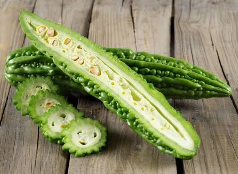 Bitter Melon
Bumpy green melon cooked as a vegetable. Helps regulate blood sugar and improves digestion.
 Canary Melon
Bright yellow skin and sweet pale flesh. Good source of folate and supports heart health.
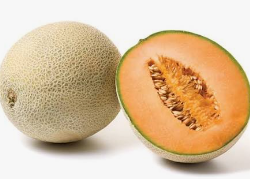 Cantaloupe Melon
Netted skin and orange flesh. Rich in vitamin A and supports eye health.
 Cucumis Melon
Sweet orange-fleshed melon. High in water content and keeps you refreshed.
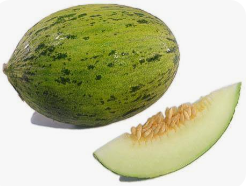 Santa Claus Melon
Green-striped skin and pale sweet flesh. Rich in fibre and supports healthy digestion.
 Honeydew Melon
Smooth pale skin and green flesh. High in potassium and supports muscle function.
 Jubilee Melon
Golden-yellow melon. Boosts immunity and promotes glowing skin.
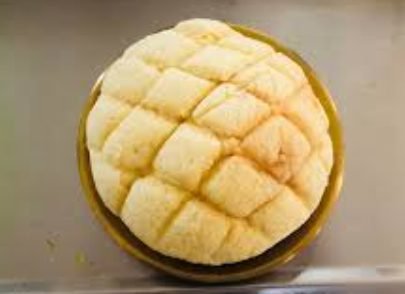 30min
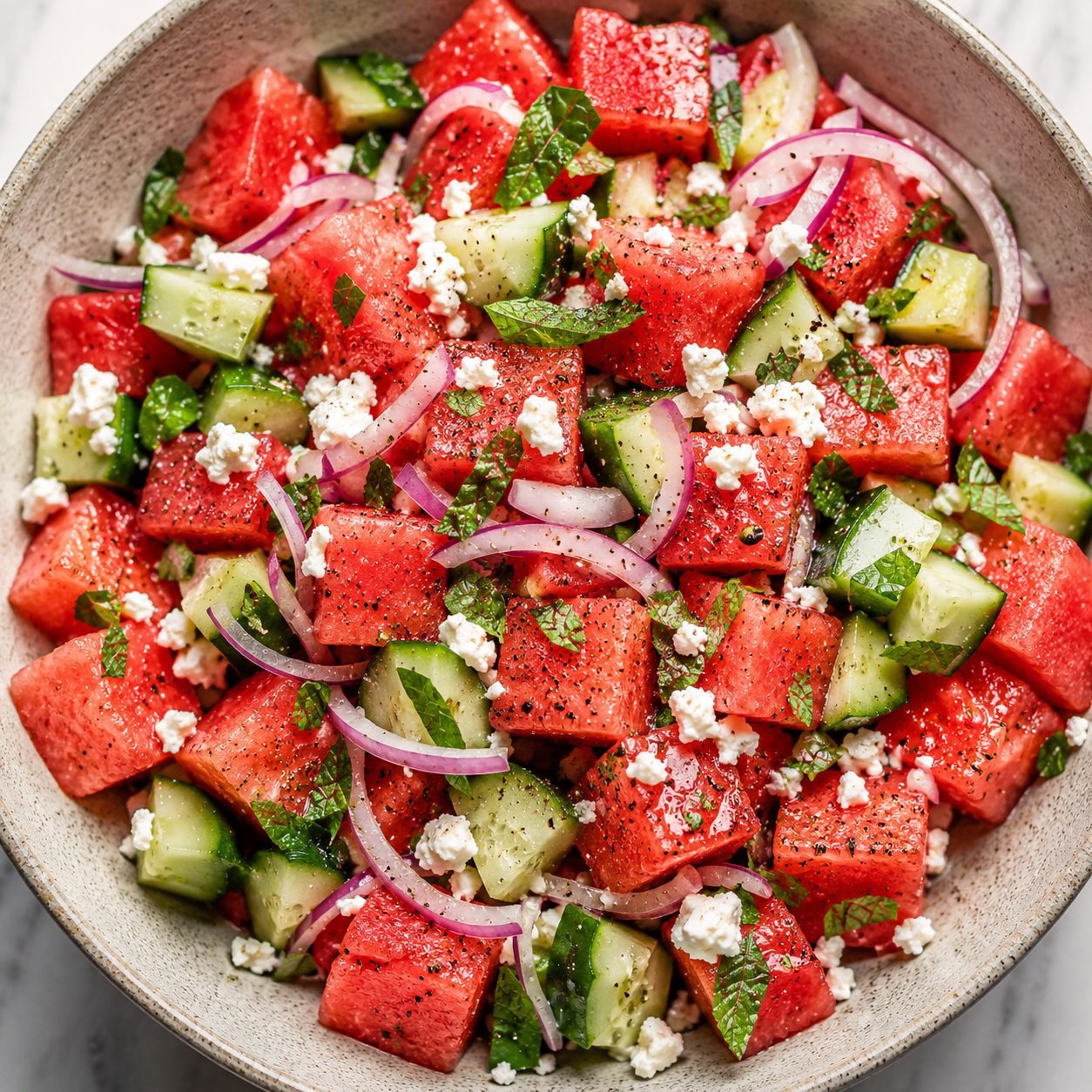 Approximately 35 minutesmin
 1 Hours min
Melon
Sweet, juicy and refreshing. Eaten mostly as a dessert, in drinks or as a starter.
Protein: 0.8 g per 100 g
Vitamins & minerals: A, C, potassium, folate
Best uses in cooking: Desserts, fruit salads, smoothies and juices, and starters such as melon with prosciutto.
Nutrition facts
Per 100 g, raw
- Calories34 kcal
- Protein0.8 g
- Fat0.2 g
- Carbohydrates8.2 g
- Fibre0.9 g
- Sugars7.9 g
- Iron0.21 mg
- Magnesium12 mg
- Calcium9 mg
- Potassium267 mg
- Zinc0.18 mg
- Sodium16 mg
- Vitamin A169 mcg
- Vitamin C36.7 mg
- Vitamin D0 mcg
- Vitamin E0.05 mg
- Vitamin K2.5 mcg
- Vitamin B120 mcg
- Folate21 mcg
Typical values from public food data (USDA). They vary by cut, variety, ripeness and cooking, so use them as a guide.
11 Varieties of Melon
Horned Melon (Kiwano)
Spiky orange skin and green jelly flesh. Rich in antioxidants and boosts immunity.
Snap Melon
Indian melon that splits when ripe. High in vitamin C and supports skin health.
Winter Melon
Large, mild melon used in soups and drinks. Keeps the body cool and helps with hydration.
Watermelon
Red, juicy flesh. Hydrating and full of lycopene for heart health.
Bitter Melon
Bumpy green melon cooked as a vegetable. Helps regulate blood sugar and improves digestion.
Canary Melon
Bright yellow skin and sweet pale flesh. Good source of folate and supports heart health.
Cantaloupe Melon
Netted skin and orange flesh. Rich in vitamin A and supports eye health.
Cucumis Melon
Sweet orange-fleshed melon. High in water content and keeps you refreshed.
Santa Claus Melon
Green-striped skin and pale sweet flesh. Rich in fibre and supports healthy digestion.
Honeydew Melon
Smooth pale skin and green flesh. High in potassium and supports muscle function.
Jubilee Melon
Golden-yellow melon. Boosts immunity and promotes glowing skin.
Melon Recipes
30min
Approximately 35 minutesmin
1 Hours min