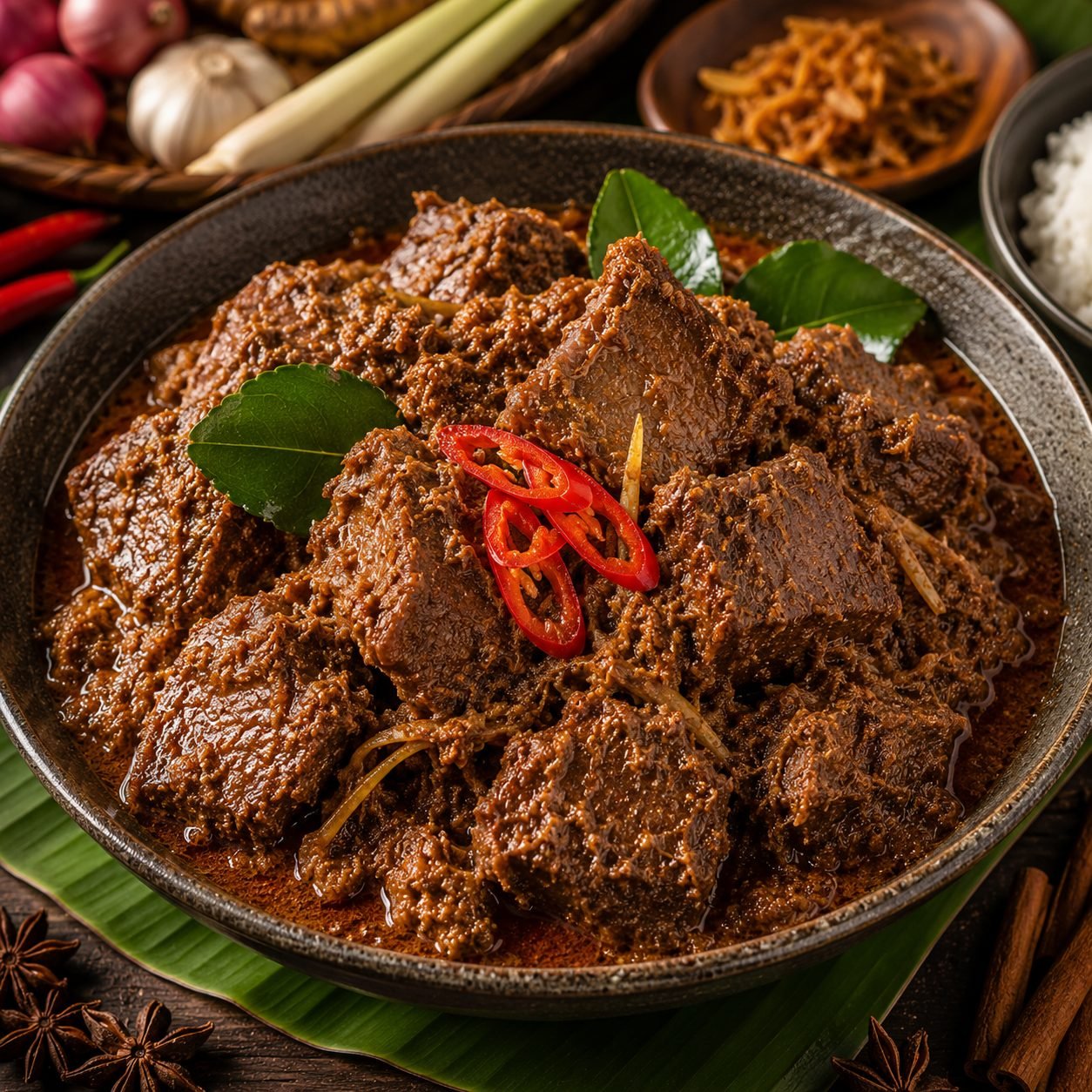
Malaysia Beef Rendang is one of the country's most iconic and flavorful dishes, celebrated for its tender beef slowly simmered in rich coconut milk and an aromatic blend of spices until the sauce becomes thick and deeply caramelized. Originating from the Malay community and widely enjoyed across Malaysia, Rendang is traditionally served during festive celebrations such as Hari Raya, weddings, and family gatherings. Its bold flavors and melt-in-your-mouth texture have made it one of Southeast Asia's most beloved culinary treasures.
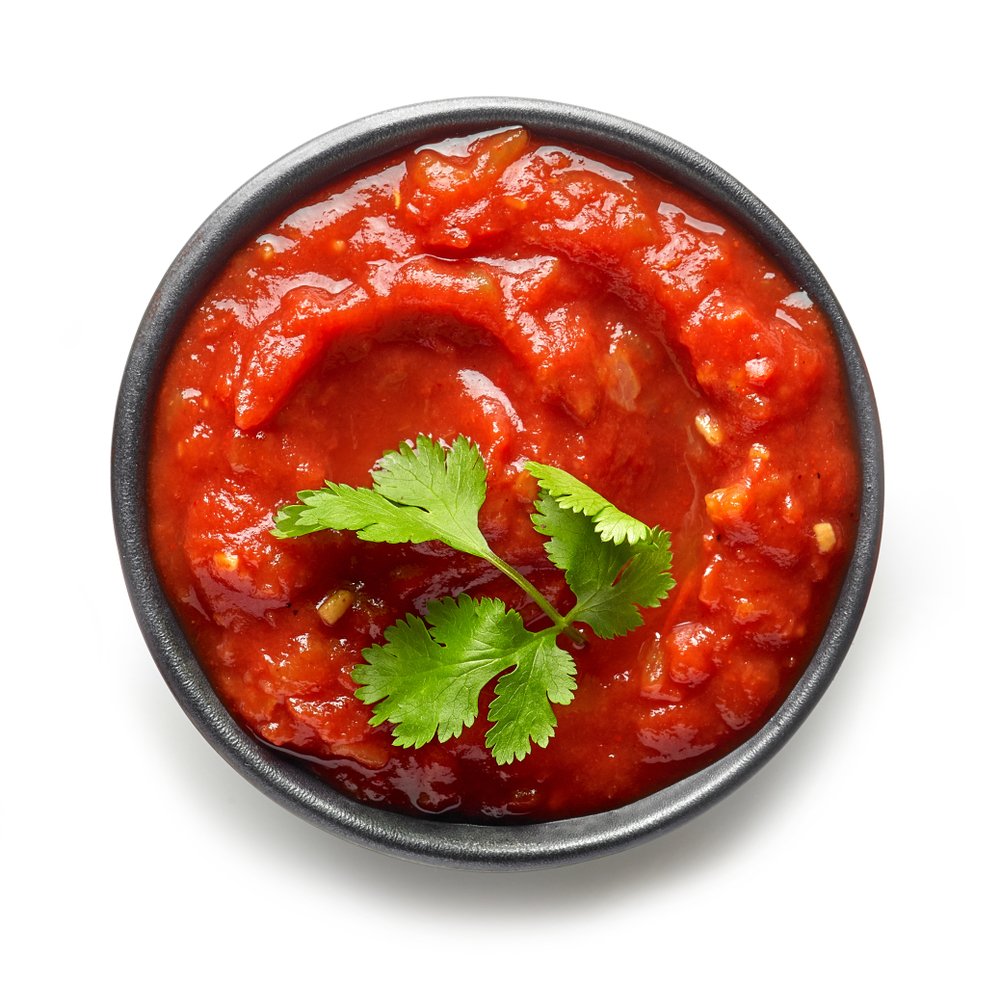
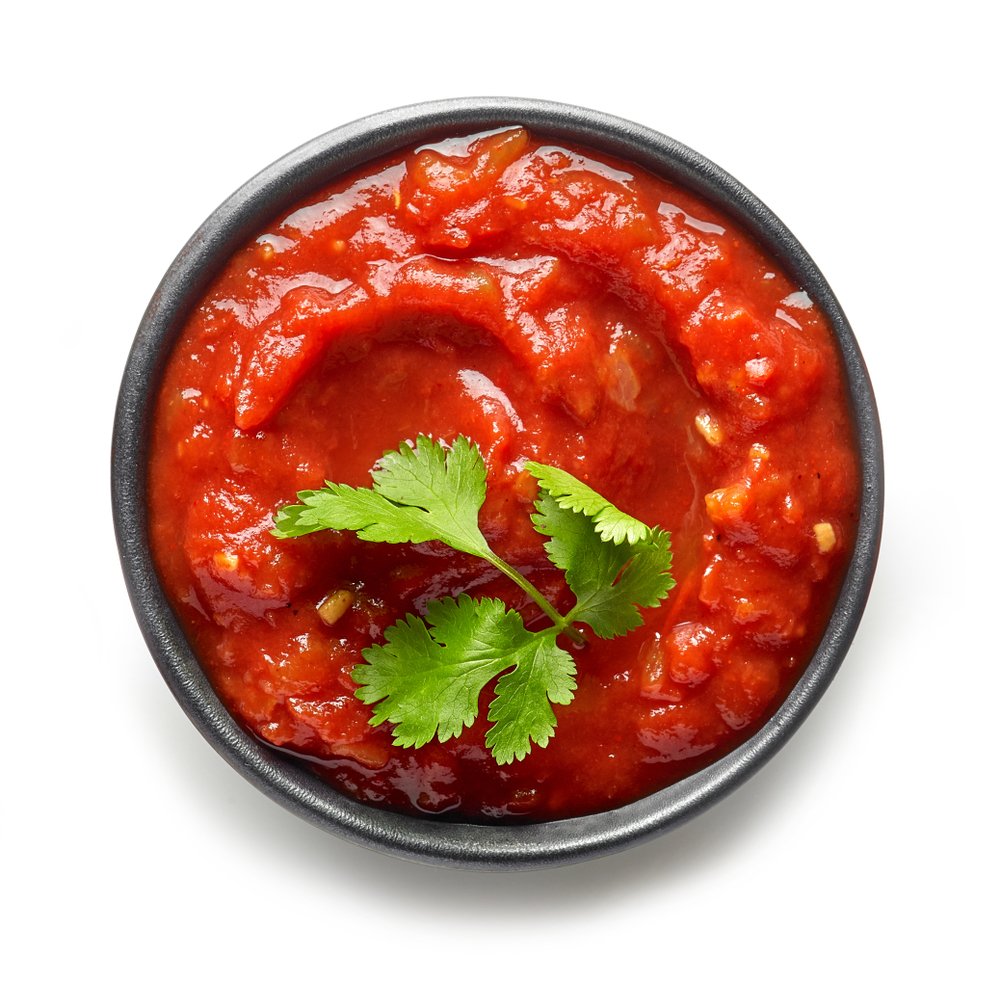
The dish begins with beef cooked gently in coconut milk alongside lemongrass, galangal, ginger, garlic, shallots, and a fragrant spice paste made from dried chilies. As the curry slowly reduces, the beef absorbs the complex flavors while becoming exceptionally tender. Toasted coconut, known as kerisik, is often added near the end of cooking to create the dish's signature rich, nutty taste.
Traditionally served with steamed rice, Nasi Lemak, ketupat, or roti, Malaysia Beef Rendang is a hearty and unforgettable meal that's perfect for special occasions or weekend dinners.
Beef chuck – 2 lb (900 g), cut into cubes , Coconut milk – 2 cups (480 ml) , Cooking oil – 2 tablespoons
Shallots – 8, peeled , Garlic – 5 cloves , Fresh ginger – 1-inch piece
Galangal – 1-inch piece , Lemongrass – 2 stalks, white parts only
Dried red chilies – 10, soaked in hot water , Turmeric powder – 1 teaspoon
Seasonings : Tamarind paste – 1 tablespoon , Palm sugar or brown sugar – 2 tablespoons
Seasonings : Salt – 1½ teaspoons , Kaffir lime leaves – 4
Seasonings : Turmeric leaves – 1, finely sliced (optional) , Toasted grated coconut (kerisik) – ½ cup
No valid video found.
Crispy Butter Fried Chicken is golden, crunchy on the outside, and juicy on
20 To Be Ready
Available