The History of Pasta: A Look at Its Origins and Evolution
The History of Pasta: A Look at Its Origins and Evolution
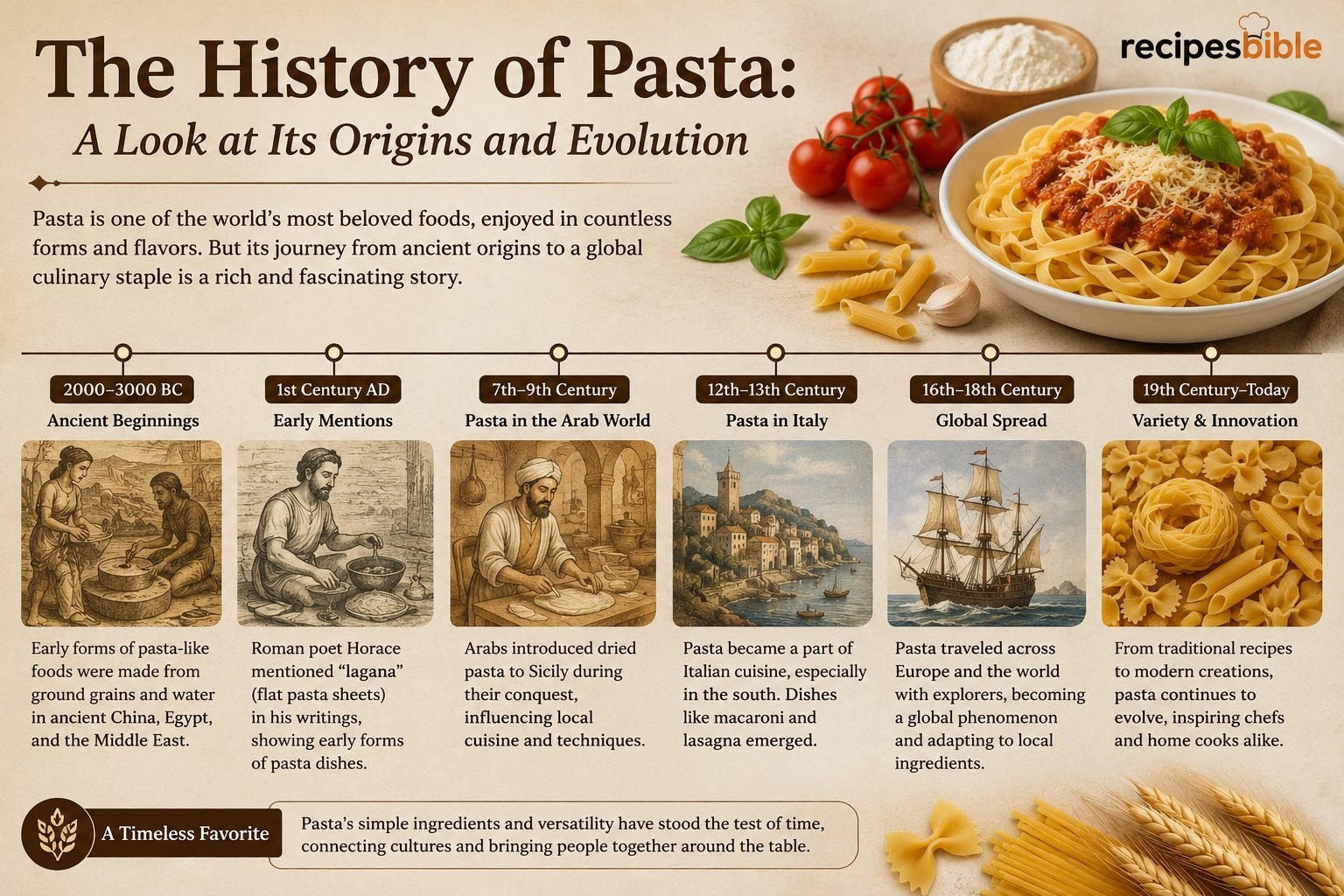
Pasta is one of the most loved foods in the world, enjoyed by millions of people across different cultures. From classic Italian spaghetti to Asian-style noodles, pasta has become a symbol of comfort, creativity, and tradition. But where did pasta actually come from? The journey of pasta is a fascinating story that spans centuries, continents, and civilizations.
The Origins of Pasta
The exact origin of pasta is still debated by historians. Many people associate pasta with Italy, but early forms of pasta-like foods existed in different ancient cultures.
Some historians believe that ancient civilizations such as the Chinese, Greeks, and Arabs prepared foods made from dough and flour thousands of years ago. In ancient China, people created noodle-like dishes from wheat and other grains. Ancient Greeks also made a simple dough-based food called “laganon,” which was similar to early pasta sheets.
However, the pasta we recognize today developed most strongly in Italy, where it became an important part of everyday cuisine.
Pasta’s Journey to Italy
The story of pasta in Italy goes back to ancient times. The Romans enjoyed a dish called “lagana,” made from thin sheets of dough. Over time, Italians began experimenting with different shapes, sizes, and cooking methods.
A major influence came from Arab cultures during the Middle Ages. Arab traders introduced dried pasta to Sicily around the 9th century. Because dried pasta could be stored for long periods, it became popular among travelers and sailors.
Sicily became one of the first places in Europe where dried pasta production developed.
The Rise of Italian Pasta
During the Renaissance period, pasta became more popular throughout Italy. Different regions created their own unique pasta styles:
- Northern Italy became known for fresh pasta made with eggs.
- Southern Italy became famous for dried pasta made from durum wheat.
- Regions developed special shapes, sauces, and cooking traditions.
Pasta was affordable, easy to prepare, and could be paired with many ingredients, making it a favorite among both ordinary families and wealthy households.
The Evolution of Pasta Shapes
One of the most interesting parts of pasta history is the variety of shapes created over time. Each shape was designed for a purpose:
- Spaghetti – perfect for light sauces
- Penne – holds thick and creamy sauces
- Lasagna – ideal for layered dishes
- Ravioli – filled pasta with delicious fillings
- Fusilli – twists that capture sauce
Italian pasta makers transformed simple dough into hundreds of creative forms.
Pasta and the Modern World
Pasta became internationally famous during the 19th and 20th centuries as Italian immigrants introduced their traditional dishes around the world. Restaurants and home cooks began creating new recipes inspired by Italian cuisine.
Today, pasta is enjoyed globally in countless ways. From traditional Italian recipes like carbonara and bolognese to modern fusion dishes, pasta continues to evolve.
Why Pasta Became So Popular
Pasta’s popularity comes from its simplicity and versatility. It is:
- Easy to cook
- Affordable
- Long-lasting
- Available in many varieties
- Perfect with different flavors and ingredients
Whether served with vegetables, meat, seafood, cheese, or sauces, pasta can adapt to almost every taste.
Conclusion
The history of pasta is a story of innovation, cultural exchange, and tradition. Although its exact origins stretch across different civilizations, Italy played a major role in shaping pasta into the beloved food we know today. From ancient dough recipes to modern dishes, pasta continues to connect people through the joy of cooking and sharing meals.
Related Blogs

Supplement Timing Guide: Morning vs Evening – When Should You Take Your Supplements?
Supplements play an important role in improving fitness, recovery, energy, and overall health. However, many people focus only on wha
2026-05-07 SEE MORE
Best Cardio Exercises in the Gym for Weight Loss (Indian Guide)
Best Cardio Exercises in the Gym for Weight Loss (Indian Guide)
Losing weight is one of the most common fitness goals t
Indian Banana Recipes: Why Bananas Are So Famous and Loved in India
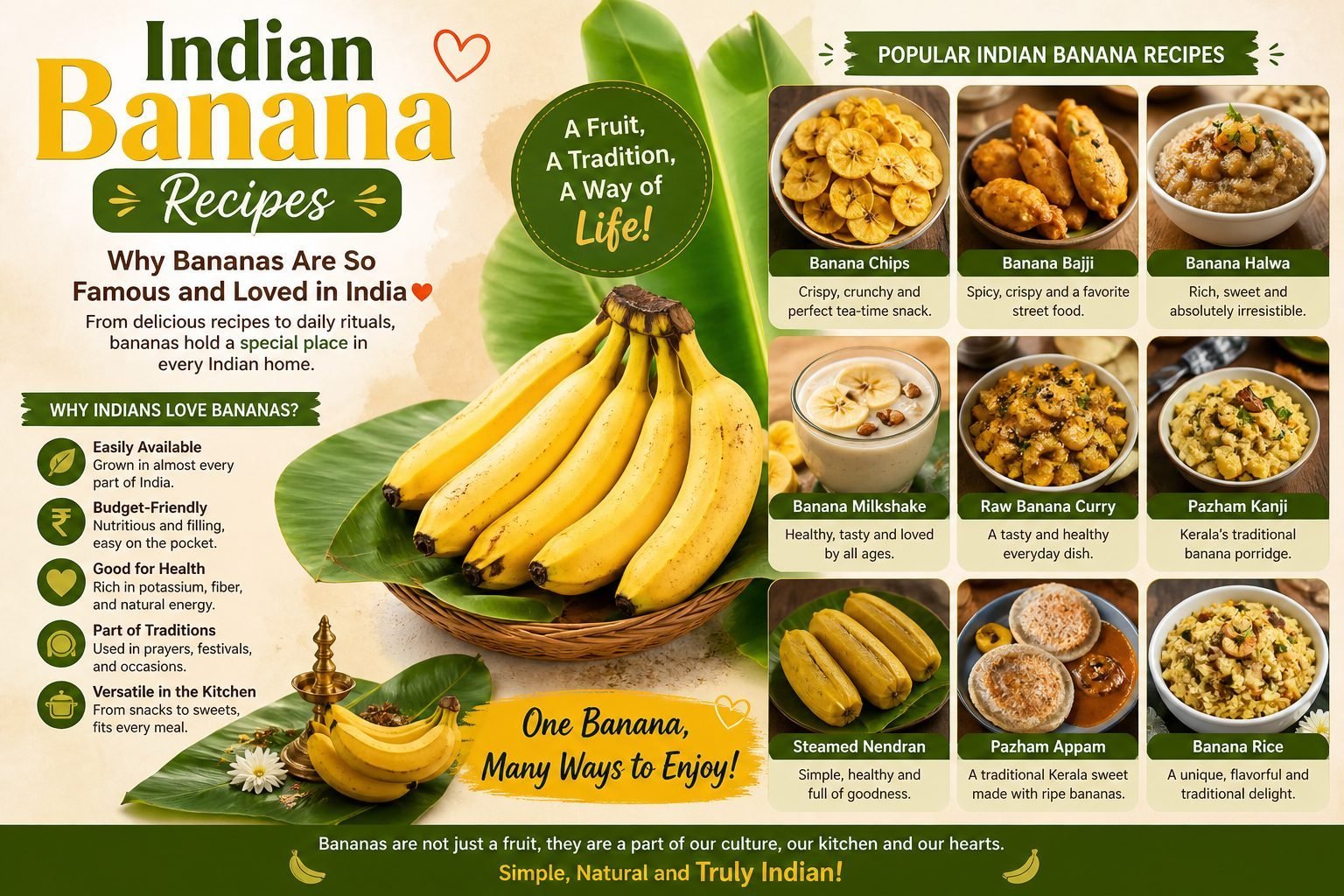
Bananas hold a special place in Indian culture, cuisine, and daily life. From temples to street food, from breakfast tables to festive sw
2026-05-02 SEE MORE
The History of Pasta: A Look at Its Origins and Evolution
The History of Pasta: A Look at Its Origins and Evolution
Pasta is one of the most loved foods in the world, enjoyed
2026-06-18 SEE MORE