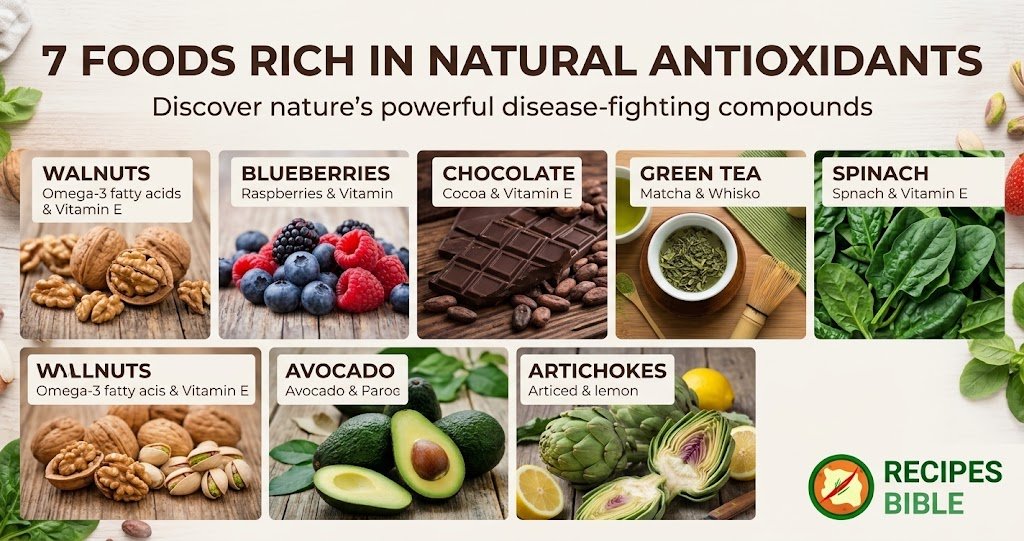
7 Foods Rich in Natural Antioxidants for Better Health
Antioxidants are compounds that help protect the body's cells from damage caused by unstable molecules called free radicals. The body produces these molecules naturally, and exposure to factors such as pollution and cigarette smoke can increase them. A varied diet rich in fruits, vegetables, nuts, and other plant foods provides antioxidants alongside vitamins, minerals, and fiber.
You don't need expensive supplements to enjoy antioxidant-rich foods. Many everyday ingredients are nutritious, delicious, and easy to add to meals. Here are seven foods that contain natural antioxidants, along with simple ways to enjoy them.
1. Blueberries
Blueberries are known for their deep blue color and their content of plant compounds called anthocyanins. These compounds belong to a group of antioxidants called polyphenols. Blueberries also provide vitamin C and dietary fiber.
Including blueberries in a balanced diet is a simple way to add color and nutrients to your meals. Fresh and frozen blueberries are both convenient choices.
How to enjoy them: Add blueberries to oatmeal, Greek yogurt, smoothies, or whole-grain pancakes. You can also mix them with other berries for a colorful fruit bowl. Choose unsweetened frozen berries when you want a convenient option throughout the year.
2. Walnuts
Walnuts provide healthy unsaturated fats, including the plant-based omega-3 fatty acid alpha-linolenic acid (ALA). They also contain polyphenols and other compounds with antioxidant activity.
Their combination of healthy fats, protein, and fiber makes walnuts a useful addition to a varied eating pattern. Like other nuts, they are energy-dense, so a small handful can be a practical serving.
How to enjoy them: Sprinkle chopped walnuts over oatmeal, salads, or yogurt. Add them to homemade trail mix, or use finely chopped walnuts in vegetable dishes. Choose plain, unsalted walnuts when you want to limit added sodium.
3. Dark Chocolate
Dark chocolate contains cocoa-derived flavanols, a type of polyphenol with antioxidant activity. The amount varies depending on the cocoa content and how the chocolate is processed.
Dark chocolate can be enjoyed as an occasional treat, but it may also contain added sugar, saturated fat, and significant calories. More cocoa does not automatically make every product nutritionally identical, so checking the label can be helpful.
How to enjoy it: Choose a small portion of dark chocolate and pair it with fresh strawberries or blueberries. You can also shave a little over plain yogurt or oatmeal for extra flavor. Enjoy it in moderation as part of a balanced diet.
4. Green Tea
Green tea contains catechins, including epigallocatechin gallate (EGCG), which are plant compounds studied for their antioxidant properties. Green tea also provides a refreshing, low-calorie drink when prepared without added sugar.
The amount of caffeine varies by product and preparation method. People who are sensitive to caffeine may prefer smaller servings or decaffeinated green tea.
How to enjoy it: Steep green tea according to the package directions and enjoy it warm or chilled. Add lemon for flavor if desired, rather than relying on large amounts of sugar. Green tea can be a pleasant alternative to sweetened drinks, although it is not a substitute for water.
5. Spinach
Spinach is a leafy green vegetable that provides vitamins, minerals, fiber, and antioxidant compounds such as carotenoids. It contains lutein and beta-carotene, along with vitamin C and vitamin E.
Eating a variety of leafy greens helps broaden the nutrients in your diet. Spinach is particularly versatile because it can be used raw or cooked.
How to enjoy it: Add fresh spinach to salads, omelets, sandwiches, and smoothies. You can also sauté it with garlic or stir it into soups, pasta, and curries. Pairing vegetables with a little healthy fat, such as olive oil, can help your body absorb fat-soluble nutrients.
6. Avocados
Avocados are best known for their monounsaturated fats, but they also contain fiber, vitamin E, and carotenoids. These nutrients contribute to the overall nutritional value of this creamy fruit.
Avocados can help add variety and satisfying texture to meals. They are energy-dense, so the portion you choose can depend on your appetite and dietary needs.
How to enjoy them: Mash avocado onto whole-grain toast, add slices to salads, or combine it with tomatoes, lime juice, and herbs for a simple dip. Avocado also works well in grain bowls with beans and vegetables.
7. Artichokes
Artichokes provide dietary fiber and a range of plant compounds, including polyphenols. They also contain nutrients such as folate and vitamin C. Both the edible leaves and the heart can be enjoyed, depending on how the artichoke is prepared.
Their distinctive flavor makes artichokes a useful way to introduce more vegetables into everyday meals.
How to enjoy them: Steam or roast fresh artichokes until tender, or add drained canned artichoke hearts to salads, pasta, and vegetable dishes. Check the label on jarred varieties because some are packed in oil or contain added salt.
Tips for Getting More Antioxidants from Food
The easiest approach is to eat a variety of colorful plant foods instead of relying on one so-called superfood. Combine berries with breakfast, include leafy greens at lunch, and add beans, vegetables, or nuts to dinner. Green tea can be an option if you enjoy it, while dark chocolate can remain an occasional treat.
Fresh, frozen, and appropriately stored canned produce can all contribute valuable nutrients. Cooking methods may change the levels of certain compounds, but eating vegetables cooked or raw in ways you enjoy is generally more practical than aiming for one perfect preparation method.
Remember that antioxidants from foods are part of an overall healthy eating pattern. No single food can prevent or cure disease, and high-dose antioxidant supplements are not automatically beneficial for everyone.
Blueberries, walnuts, dark chocolate, green tea, spinach, avocados, and artichokes are seven tasty options that provide natural antioxidant compounds alongside other nutrients. Adding them to a varied diet can make everyday meals more colorful and enjoyable.
Start with one simple change, such as adding berries to breakfast or spinach to dinner, and build from there. For more healthy food inspiration and practical recipe ideas, visit RecipesBible.
Related Blogs
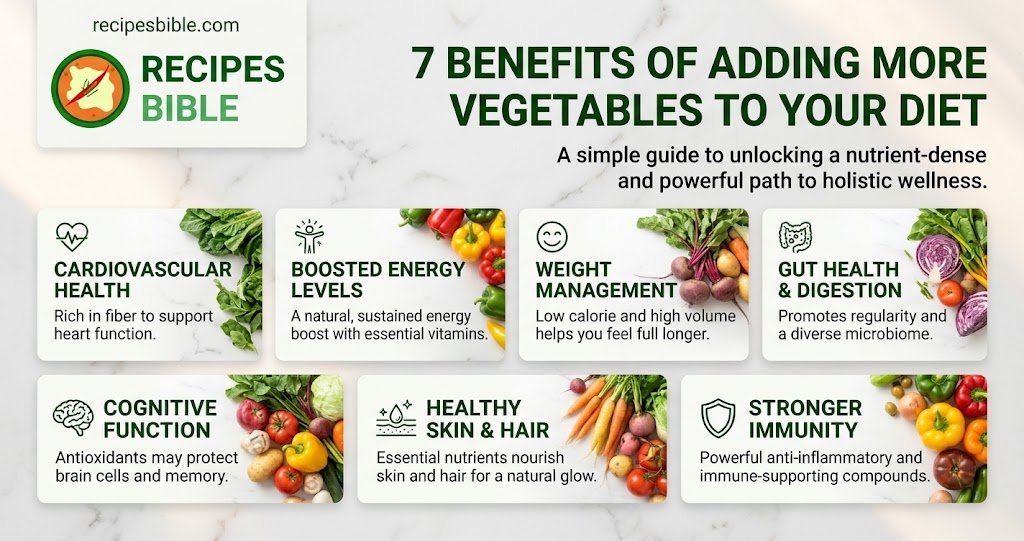
7 Benefits of Adding More Vegetables to Your Diet
Vegetables are an essential part of a balanced eating pattern. From leafy greens and crunchy carrots to broccoli, tomatoes, and col
2026-10-28 SEE MORE
10 Easy Homemade Lemon Recipes for Refreshing Summer Days
Introduction
Summer and lemons go together like sunshine and blue skies. There's something about the bright, zesty f
2026-06-12 SEE MORE
Simple Fitness Tips for a Healthier, Stronger You
Staying fit and healthy doesn’t require complicated routines or expensive equipment. With the right habits and a balanced lifestyle, an
2026-04-01 SEE MORE
How to Make Indian Butter at Home: A Traditional Method
Indian butter, commonly known as white butter or makhan, has been a part of Indian kitchens for ce
2026-03-07 SEE MORE