7 Foods That May Support Heart Health Naturally
Your heart works hard every day, and a balanced diet can help support its health. Choosing nutrient-rich foods that provide fiber, healthy fats, vitamins, minerals, and antioxidants is a simple way to build healthier eating habits.
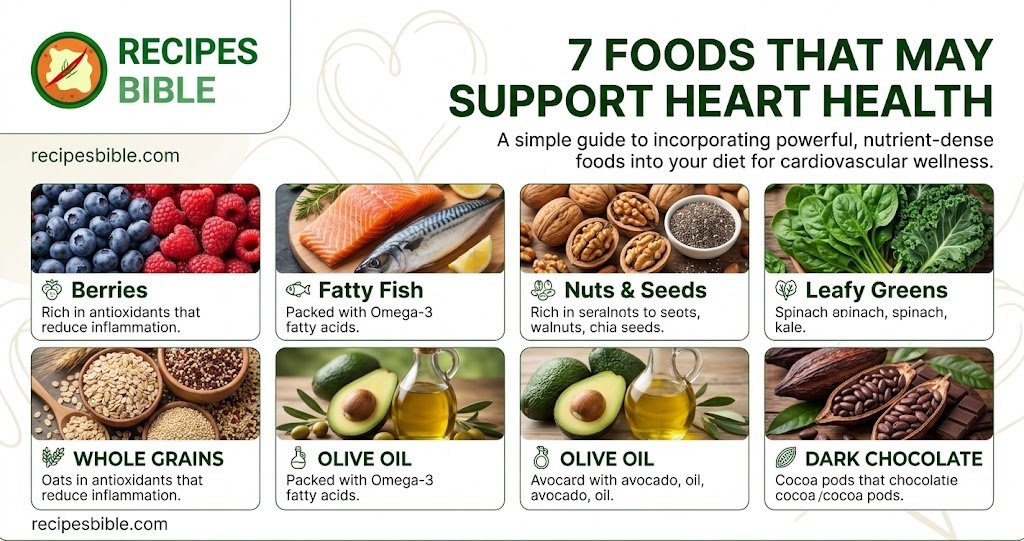
Here are seven foods you can include in your daily meals to support overall cardiovascular wellness.
1. Berries
Blueberries, strawberries, raspberries, and other berries contain fiber and beneficial plant compounds called antioxidants. These nutrients help protect cells from oxidative stress and can be part of a heart-friendly eating pattern.
How to enjoy them: Add fresh berries to oatmeal, yogurt, smoothies, or a fruit salad.
2. Fatty Fish
Salmon, sardines, and mackerel provide omega-3 fatty acids, which can help support heart health and healthy triglyceride levels. Eating fish regularly can be a valuable part of a balanced diet.
How to enjoy it: Bake, grill, or steam fish and serve it with vegetables and whole grains.
3. Nuts and Seeds
Walnuts, almonds, chia seeds, and flaxseeds provide fiber, unsaturated fats, and other important nutrients. Replacing some foods high in saturated fat with nuts and seeds may help support healthy cholesterol levels.
How to enjoy them: Add a small handful of unsalted nuts to your snack routine or sprinkle seeds over oatmeal and salads.
4. Leafy Greens
Spinach, kale, and other leafy greens contain vitamins, minerals, fiber, and plant compounds that contribute to a nutritious diet. Their nutrients can help support normal body functions, including those involved in cardiovascular health.
How to enjoy them: Add leafy greens to soups, omelets, salads, or vegetable stir-fries.
5. Whole Grains
Oats, brown rice, barley, and whole-wheat bread provide dietary fiber and other nutrients. Soluble fiber, especially the type found in oats, can help lower LDL (bad) cholesterol when included regularly in a balanced diet.
How to enjoy them: Choose oatmeal for breakfast, brown rice with lunch, or whole-grain bread for sandwiches.
6. Olive Oil
Extra-virgin olive oil contains monounsaturated fats and beneficial plant compounds. Using it in place of butter or other sources of saturated fat may support healthier cholesterol levels as part of a balanced eating pattern.
How to enjoy it: Use olive oil in salad dressings, drizzle it over cooked vegetables, or use a moderate amount for cooking.
7. Dark Chocolate
Dark chocolate contains cocoa flavanols, plant compounds that have been studied for their potential effects on blood vessel function. However, chocolate can also contain added sugar and calories, so portion size matters.
How to enjoy it: Choose dark chocolate with a high cocoa percentage and enjoy a small portion occasionally.
Simple Tips for a Heart-Healthy Lifestyle
- Eat a variety of fruits and vegetables every day.
- Choose whole grains more often than refined grains.
- Include fish, nuts, seeds, and other sources of healthy fats.
- Limit excess salt, added sugar, and highly processed foods.
- Stay physically active and maintain a regular sleep schedule.
- Avoid smoking and attend routine health checkups.
Supporting heart health starts with everyday choices. Berries, fatty fish, nuts and seeds, leafy greens, whole grains, olive oil, and small portions of dark chocolate can all fit into a balanced eating pattern.
Remember, no single food can prevent or treat heart disease. Your overall diet, physical activity, medical history, and other lifestyle habits all matter. If you have a heart condition or specific dietary needs, consult a qualified healthcare professional for personalized advice.
Explore Recipes Bible for more easy recipes, practical health tips, and inspiration for healthier everyday meals.
Related Blogs
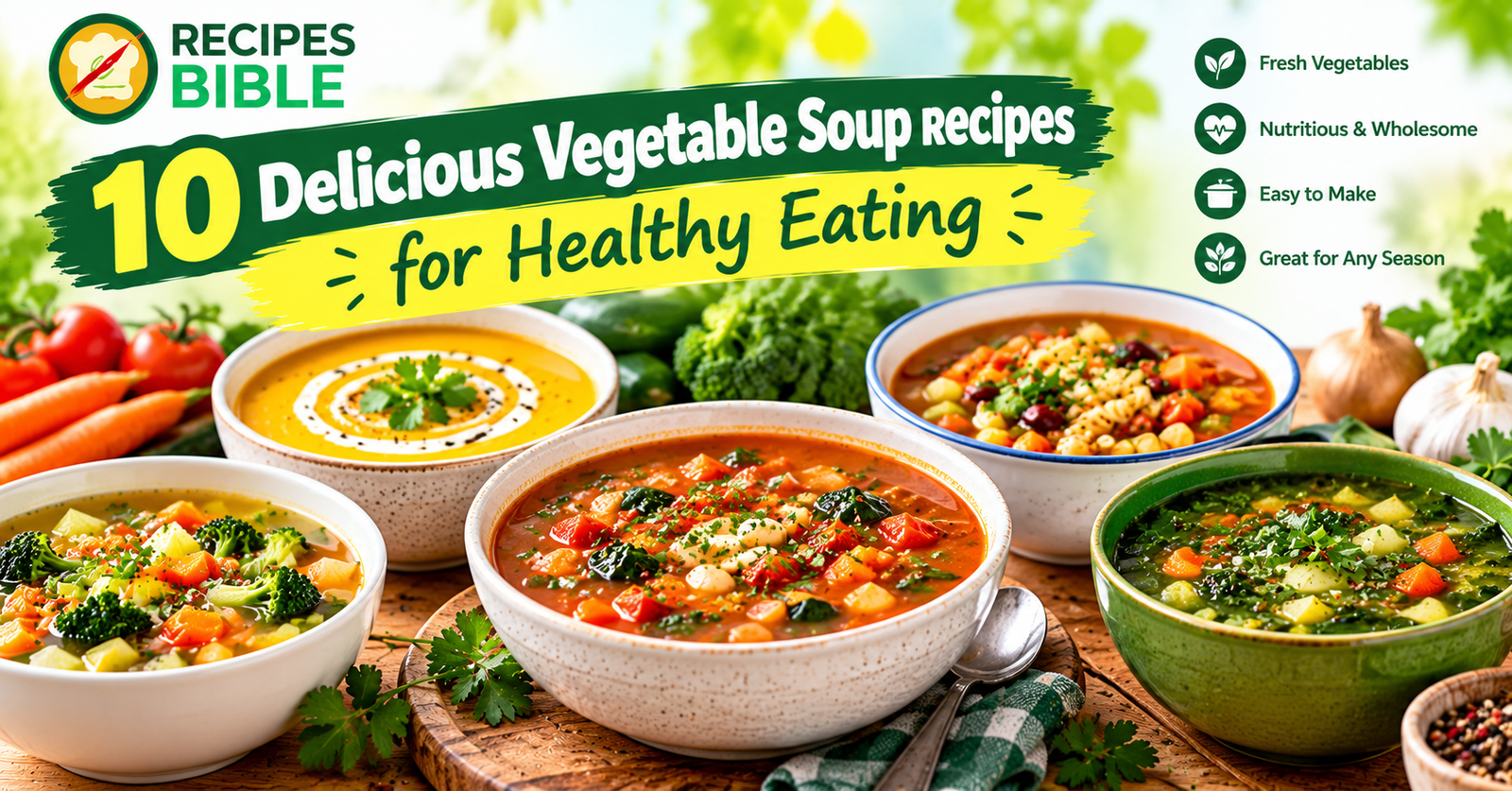
10 Delicious Vegetable Soup Recipes for Healthy Eating
Vegetable soups are a simple and delicious way to enjoy more vegetables in your daily diet. They can be comforting on chilly evenin
2026-10-14 SEE MORE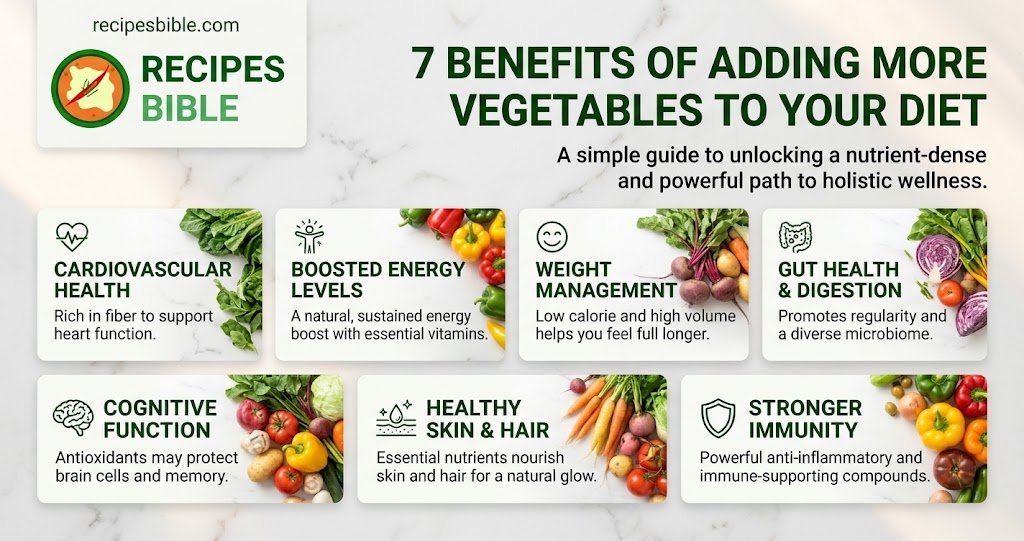
7 Benefits of Adding More Vegetables to Your Diet
Vegetables are an essential part of a balanced eating pattern. From leafy greens and crunchy carrots to broccoli, tomatoes, and col
2026-10-28 SEE MORE
Indian Milkshakes: Why They’re Famous Worldwide & King of Summer Drinks
Why Indian Milkshake Drinks Are Famous Worldwide & Why They’re Called the King of Summer
Milkshakes have always been a favo
2026-04-17 SEE MORE
10 Delicious Egg Recipes for Breakfast and Brunch
Eggs are a breakfast favorite for a reason. They are versatile, easy to cook, and pair well with vegetables, cheese, whole g
2026-10-20 SEE MORE