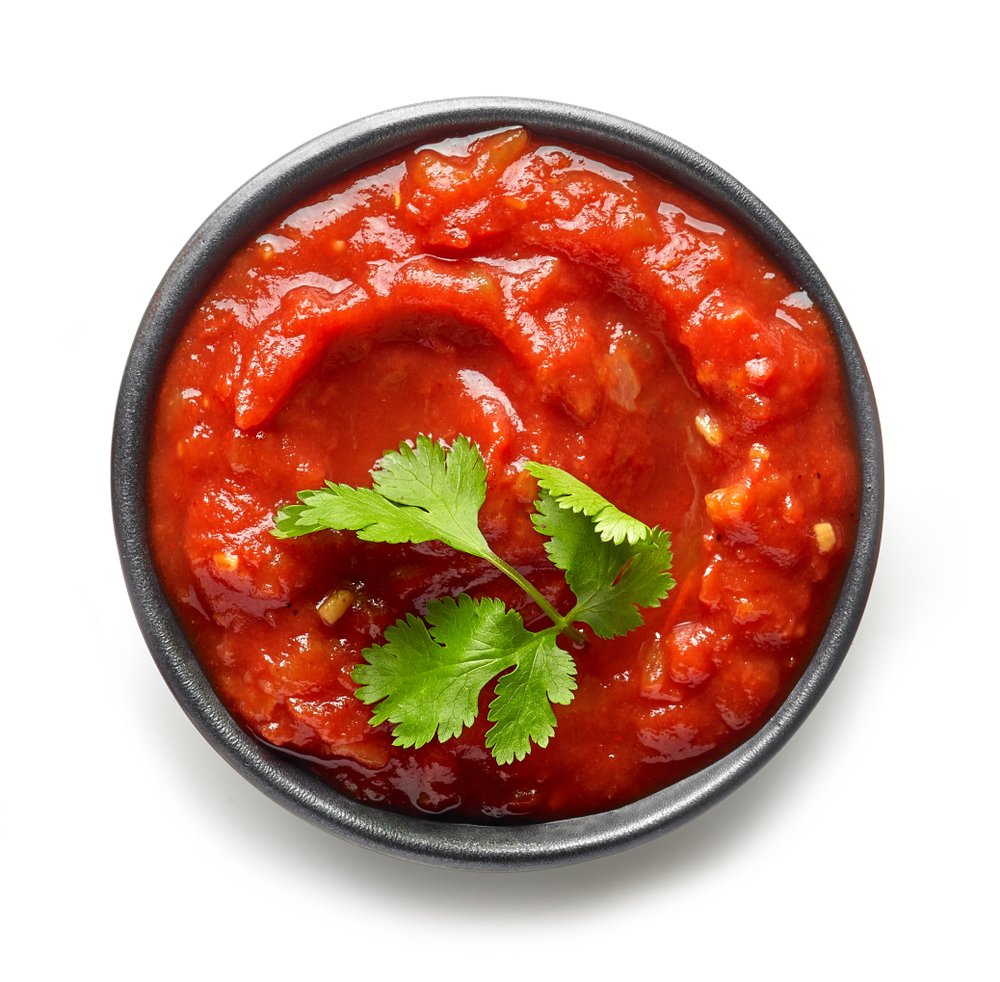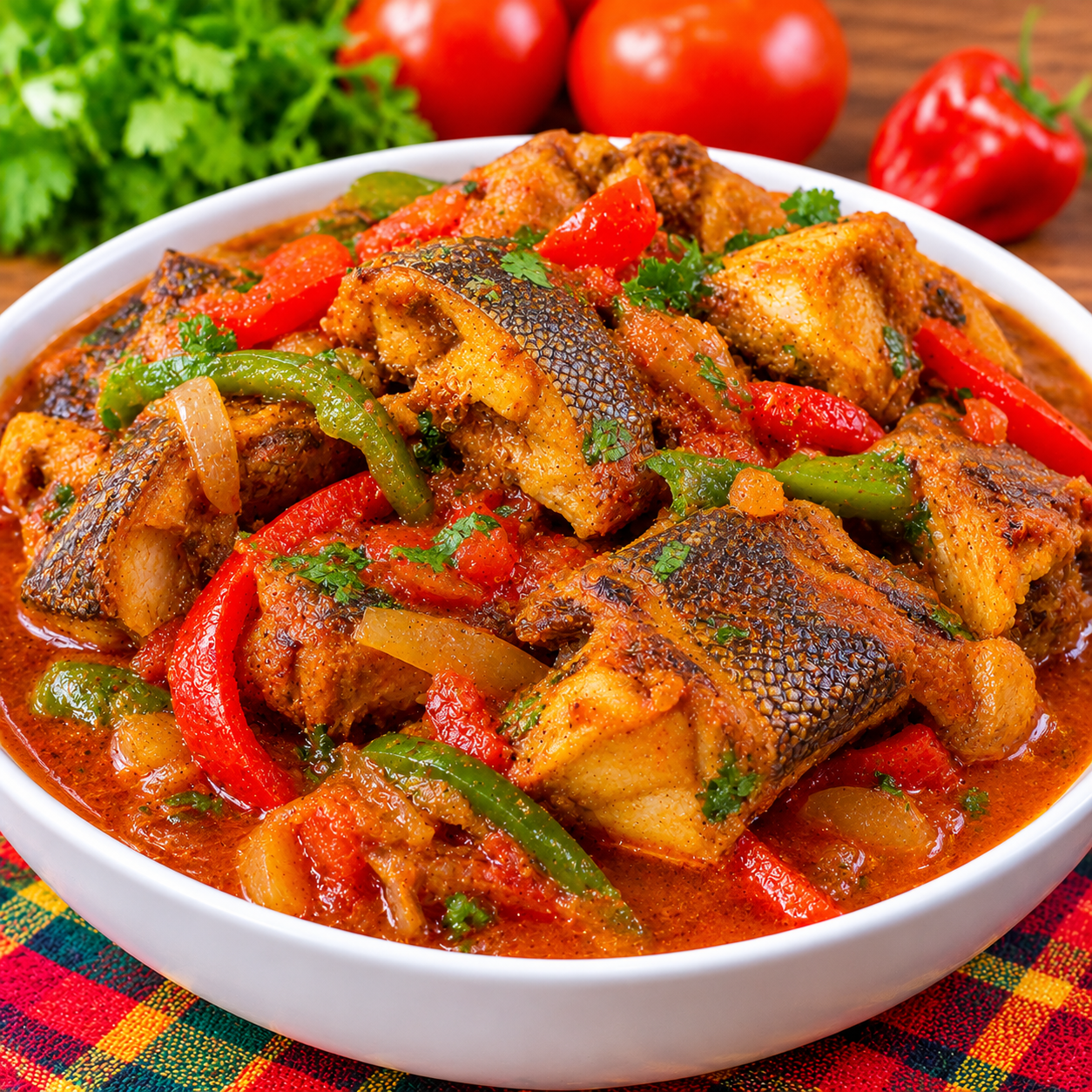
Trinidad Iguana Stew is associated with traditional rural Caribbean cooking, where local ingredients, aromatic herbs, peppers, and slow-cooked stews are central to the culinary heritage. Historically, iguana meat has been consumed in parts of the Caribbean and Latin America, where it is sometimes prepared with onions, garlic, tomatoes, herbs, and regional spices to create a hearty, flavorful dish. The stew-style preparation is characterized by a rich savory base, aromatic seasonings, and a slow-cooked texture.
Caribbean stew traditions often feature fresh thyme, scallions, garlic, hot peppers, and a combination of vegetables that contribute depth and flavor. Similar regional stews are served with rice, provisions, dumplings, or root vegetables. Iguana consumption is not universally practiced throughout Trinidad and Tobago, and wildlife regulations and conservation concerns may apply, making it important to respect local wildlife protections and food-safety rules.
Traditional Trinidad-style stew preparations are known for their rich seasoning, aromatic herbs, and slow-cooked flavors. Iguana stew is associated with some regional Caribbean food traditions, although its preparation and consumption vary between communities.
1. Prepare the Aromatics: Onions, garlic, scallions, tomatoes, sweet peppers, and fresh herbs are traditionally used to create a flavorful base for Caribbean stews. These ingredients contribute sweetness, freshness, and a savory aroma to the dish.
2. Build the Seasoning Base: Caribbean cooking often combines thyme, black pepper, garlic, green seasoning, and regional spices. The mixture creates a distinctive flavor profile that balances earthy, savory, herbal, and slightly spicy notes.
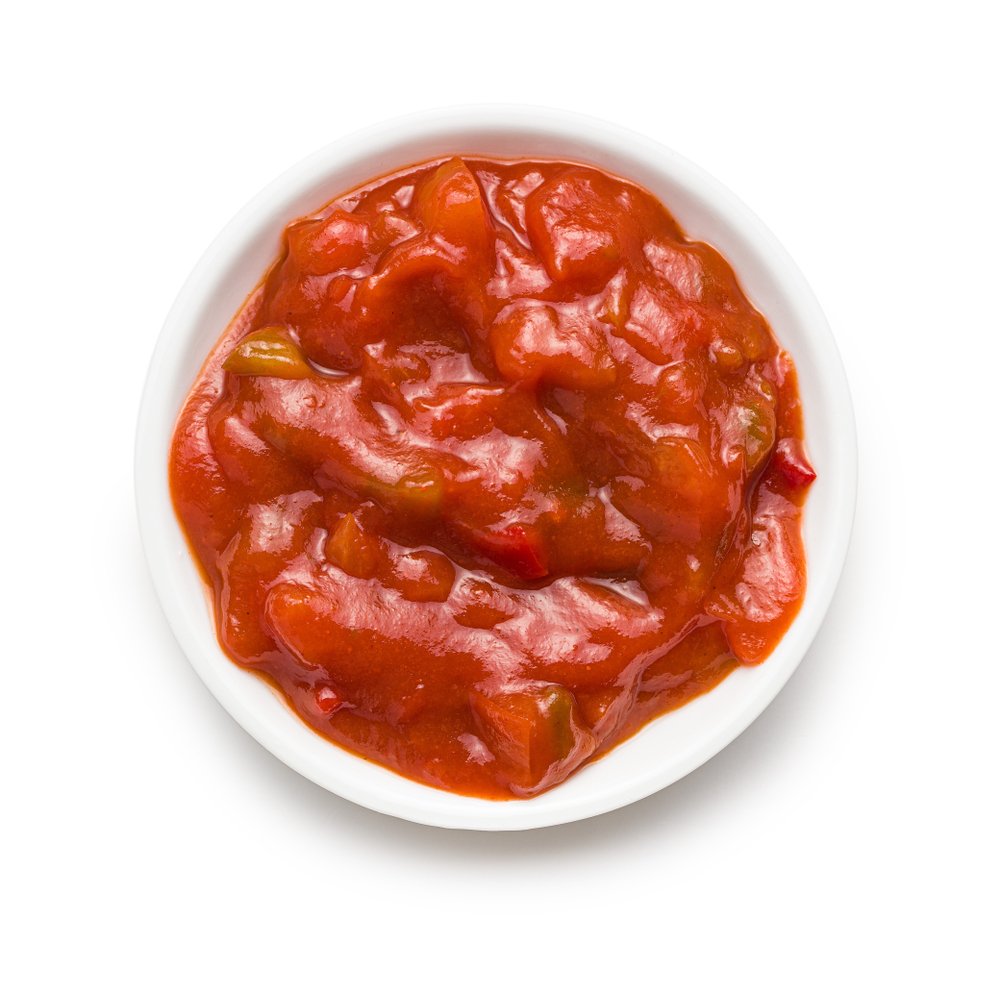
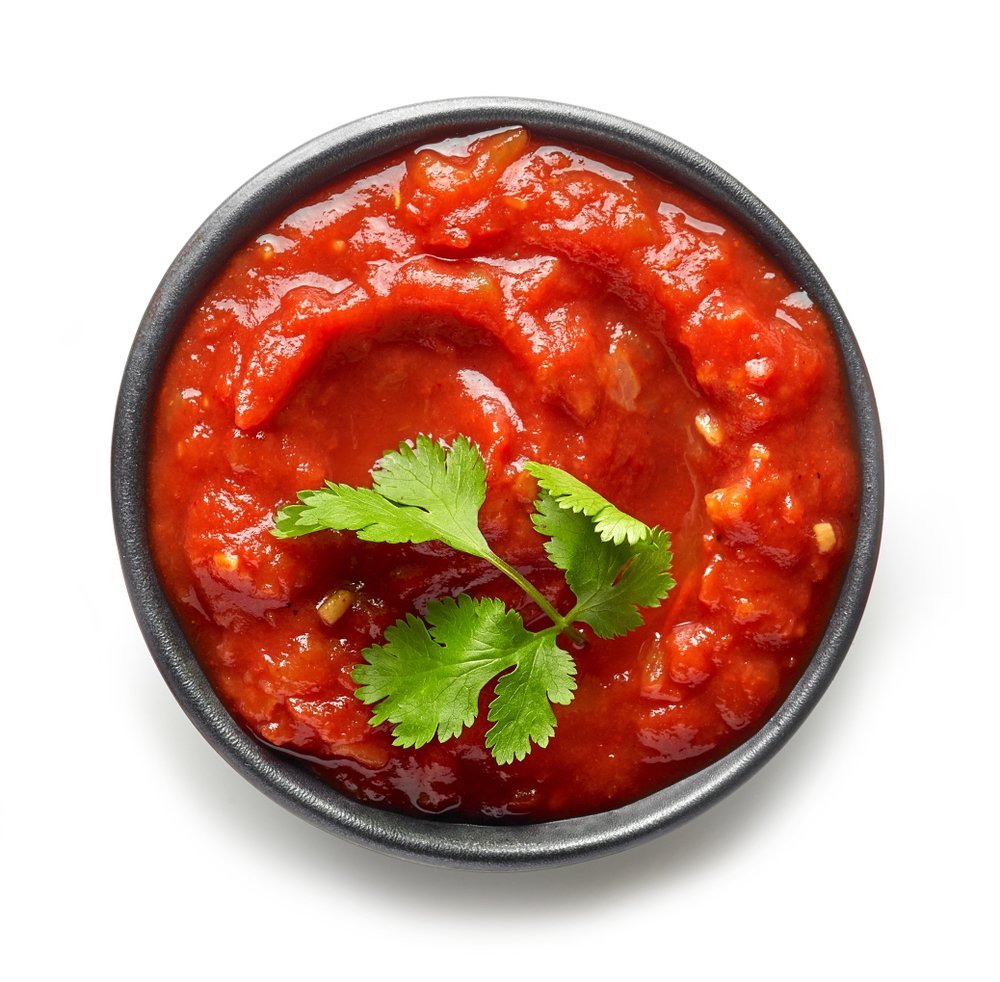
3. Develop the Stew Flavor: Traditional island stews frequently begin by developing a deep savory base using aromatics, herbs, and seasonings. Tomatoes and peppers add moisture, color, and natural richness, while the combination of ingredients creates layers of flavor.
4. Add Vegetables and Regional Ingredients: Depending on the household and regional variation, Caribbean stews may include carrots, pumpkin, potatoes, cassava, or other locally available vegetables. These ingredients contribute texture, natural sweetness, and a more substantial consistency.
5. Slow-Cooking Tradition: Slow cooking is an important technique in Caribbean cuisine, allowing the flavors of herbs, spices, vegetables, and the cooking liquid to blend together. Many traditional stews develop their characteristic richness through gradual cooking.
6. Adjust the Flavor: Seasonings are traditionally adjusted to achieve a balanced taste. Herbs provide freshness, black pepper adds warmth, tomatoes contribute acidity, and peppers bring varying levels of heat depending on preference.
7. Develop a Rich Stew Consistency: As the stew cooks, its liquid and ingredients form a flavorful sauce. Some Caribbean stew preparations are naturally thickened through the breakdown of vegetables and the reduction of cooking liquid.
8. Final Preparation and Presentation: Traditional stews are generally served hot, with the sauce and accompanying vegetables arranged together for a hearty presentation. Fresh herbs may be added to enhance aroma and appearance.
9. Serving Suggestions: Caribbean-style stews are often accompanied by steamed rice, boiled provisions, dumplings, ground vegetables, or bread. These sides help complement the savory flavors and make the meal more filling.
10. Cultural Variations: Trinidad and Tobago has a diverse culinary heritage influenced by African, Indian, Indigenous, European, and other traditions. Stew recipes can differ significantly between families and communities, with different herbs, seasoning blends, vegetables, and cooking techniques contributing to their unique character.

Iguana meat – 750 gm, Coconut milk – 1 cup

Onion – 1 large, Garlic – 4 cloves
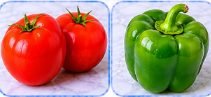
Tomato – 2 medium, Bell pepper – 1
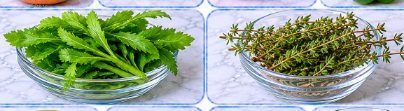
Culantro – ¼ cup, Thyme – 2 sprigs

Vegetable oil – 2 tbsp, Salt – 1 tsp

Black pepper – ½ tsp, Water – 3 cups
No valid video found.
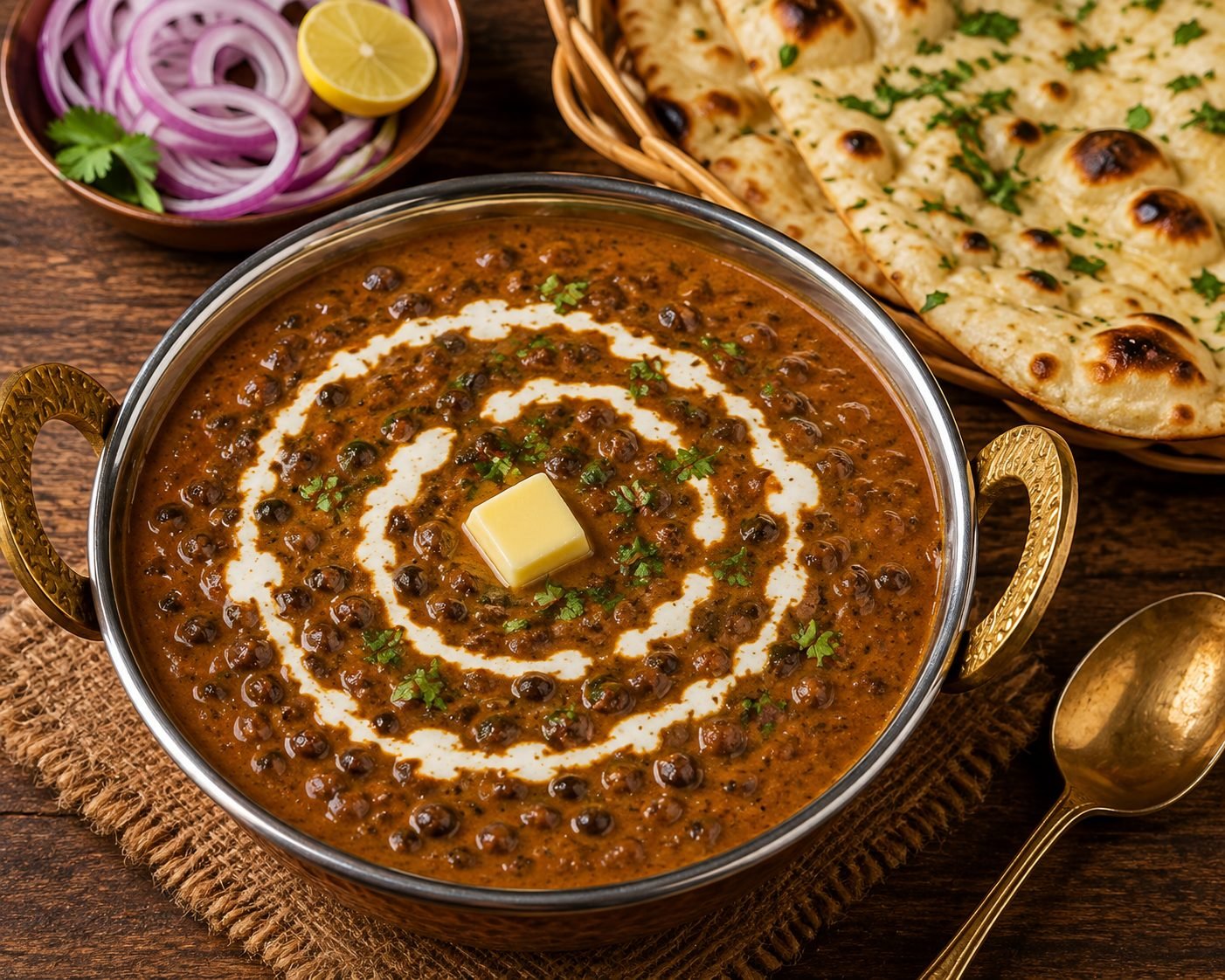
Dal Makhani is a rich and creamy Punjabi delicacy made with whole bla
30 To Be Ready
Available
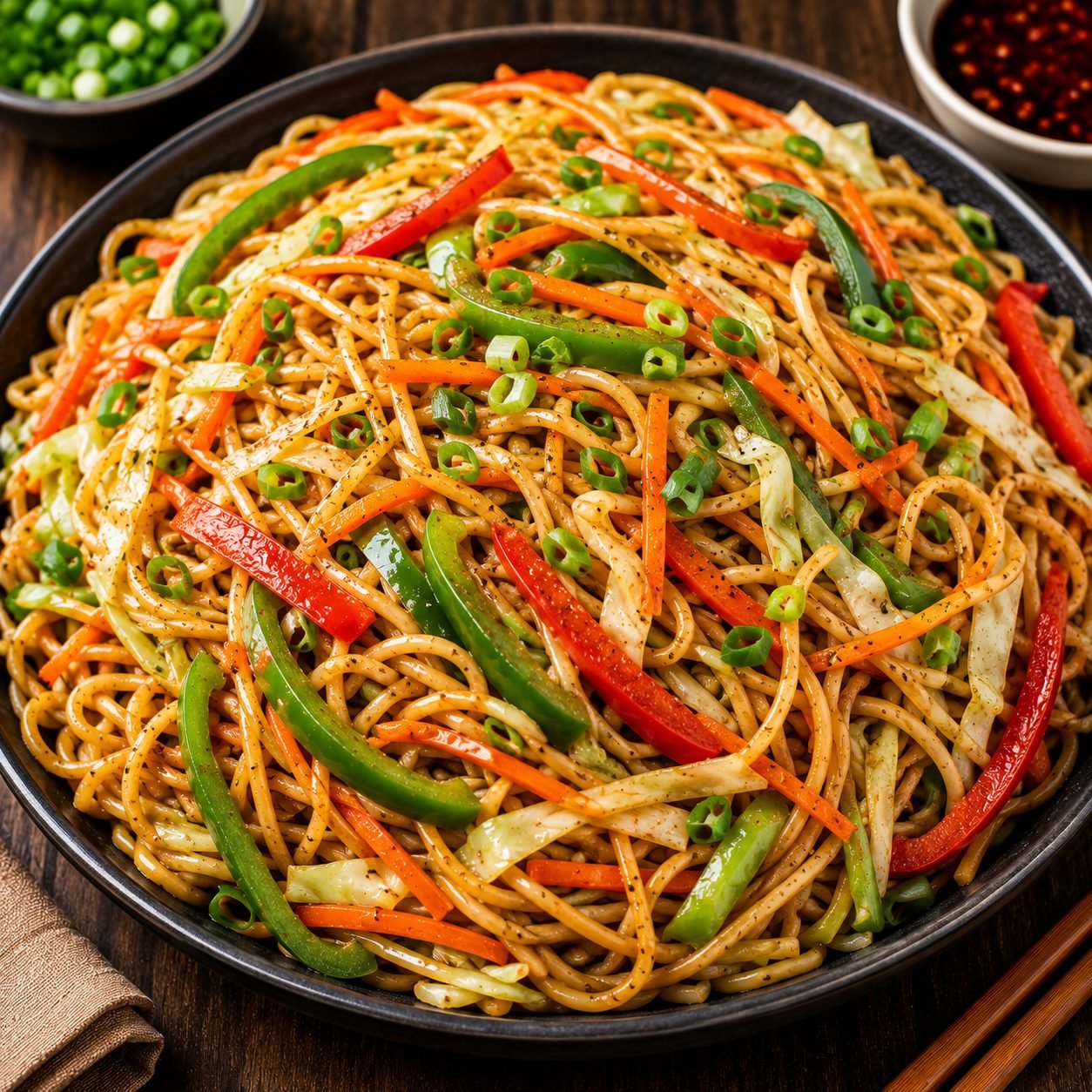
Vegetable Chow Mein is a quick and flavorful noodle stir-fry made with chow
30 minutes To Be Ready
Available
Malai Paneer Tikka is a creamy, rich and flavorful Indian appetizer made wit
30 To Be Ready
Available