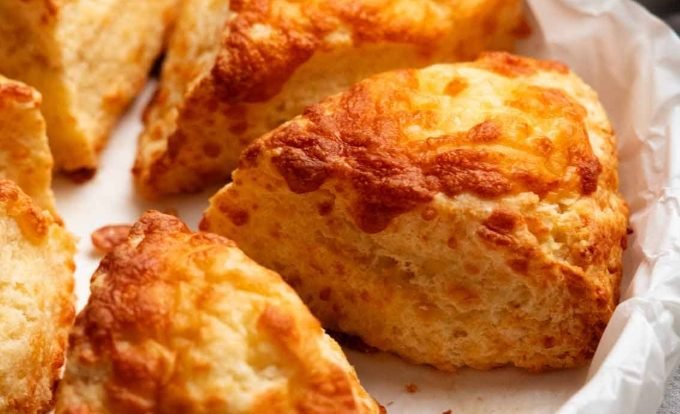
Canadian Montreal-Style Bagels are one of Canada's most iconic baked goods, famous for their distinctive shape, chewy texture, and slightly sweet flavor. Unlike New York-style bagels, Montreal bagels are traditionally smaller, thinner, and made with a dough that contains honey and is boiled in honey-sweetened water before baking. They are commonly coated with sesame seeds or poppy seeds and baked until golden brown, creating a flavorful crust and a soft, chewy interior.
Originating in Montreal, Quebec, these traditional bagels are closely associated with the city's historic Jewish baking culture and famous bagel bakeries. Their unique preparation method, hand-rolled shape, and wood-fired baking tradition give them a distinctive character. Montreal-style bagels are delicious when served fresh and warm, either plain or topped with cream cheese, butter, smoked salmon, or other favorite ingredients.
1. Activate the Yeast:
In a small bowl, combine the warm water and active dry yeast. Stir gently and allow the mixture to rest for approximately 5–10 minutes until it becomes foamy. This indicates that the yeast is active and ready to help the dough rise. Avoid using water that is too hot, as excessive heat can damage the yeast.
2. Prepare the Dough Mixture:
In a large mixing bowl, combine the bread flour and salt. Add the activated yeast mixture, honey, egg, and vegetable oil. Mix the ingredients using a wooden spoon or your hands until a rough dough forms. Continue mixing until the flour is fully incorporated and there are no large dry patches remaining.
3. Knead the Dough:
Transfer the dough to a lightly floured work surface and knead for approximately 10–12 minutes until it becomes smooth, firm, and elastic. Montreal-style bagel dough is traditionally firmer than many other bread doughs, so avoid adding too much extra water. Proper kneading helps develop the structure needed for the bagels to maintain their shape during boiling and baking.
4. Allow the Dough to Rise:
Place the dough in a lightly greased bowl and cover it with a clean kitchen towel. Leave it in a warm place for approximately 1 hour, or until it has noticeably expanded. The dough should feel softer and more relaxed but should not necessarily double as dramatically as a softer bread dough.
5. Divide and Shape the Bagels:
Transfer the dough to a clean surface and divide it into 10 equal portions. Roll each portion into a long rope, approximately 8–10 inches (20–25 cm) long. Wrap the rope around your hand to form a ring, overlap the ends, and gently roll the seam against the work surface to seal it securely. Shape each bagel into a smooth, slightly elongated ring with a relatively large center hole.
6. Prepare the Honey Water:
In a large pot, combine the water and honey. Bring the mixture to a gentle boil, then reduce the heat to maintain a steady simmer. The honey-sweetened water is an important part of the Montreal-style bagel tradition, helping contribute to the bagels' subtle sweetness and characteristic exterior.
7. Boil the Bagels:
Carefully place a few bagels at a time into the simmering honey water. Boil them briefly, turning once if necessary, until they become slightly puffed. Avoid overcrowding the pot, as the bagels need enough space to cook evenly. Remove them gently using a slotted spoon and allow excess water to drain.
8. Add the Sesame or Poppy Seed Topping:
Place the sesame seeds or poppy seeds in a shallow dish. While the bagels are still slightly damp from boiling, gently press their surfaces into the seeds so the coating sticks evenly. If desired, lightly brush the bagels with egg white before adding the seeds for a more uniform coating.
9. Bake Until Golden Brown:
Preheat the oven to 220°C (425°F). Arrange the prepared bagels on a baking tray lined with parchment paper, leaving space between them. Bake for approximately 15–20 minutes, turning the tray if necessary for even browning, until the bagels become golden brown and develop a firm, slightly crisp exterior. Allow them to cool slightly on a wire rack after baking.
10. Serve Fresh and Enjoy:
Serve Montreal-style bagels warm or at room temperature. They are delicious plain or with cream cheese, butter, jam, or smoked salmon. Their slightly sweet flavor, chewy interior, and sesame-coated crust make them perfect for breakfast, brunch, or a satisfying snack.

Bread flour – 4 cups, Warm water – 1½ cups

Yeast – 2 tsp, Sugar – 2 tbsp

Malt syrup – 2 tbsp, Salt – 1 tsp

Sesame seeds – ½ cup, Poppy seeds – ½ cup

Honey – ¼ cup, Vegetable oil – 1 tbsp
No valid video found.
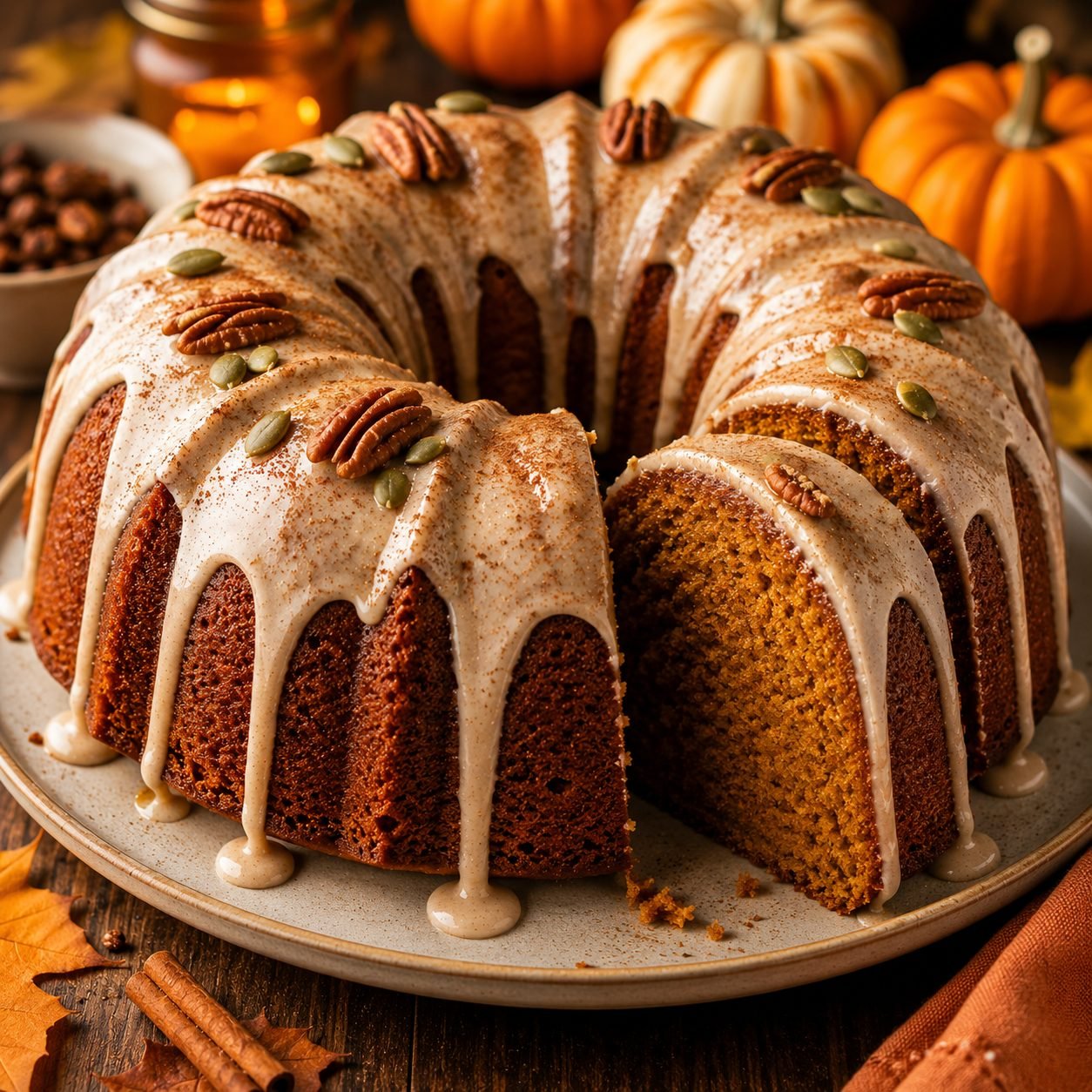
Pumpkin Spice Bundt Cake is a moist, tender, and warmly spiced dessert made with p
Approximately 1 hour 45 minutes To Be Ready
Available
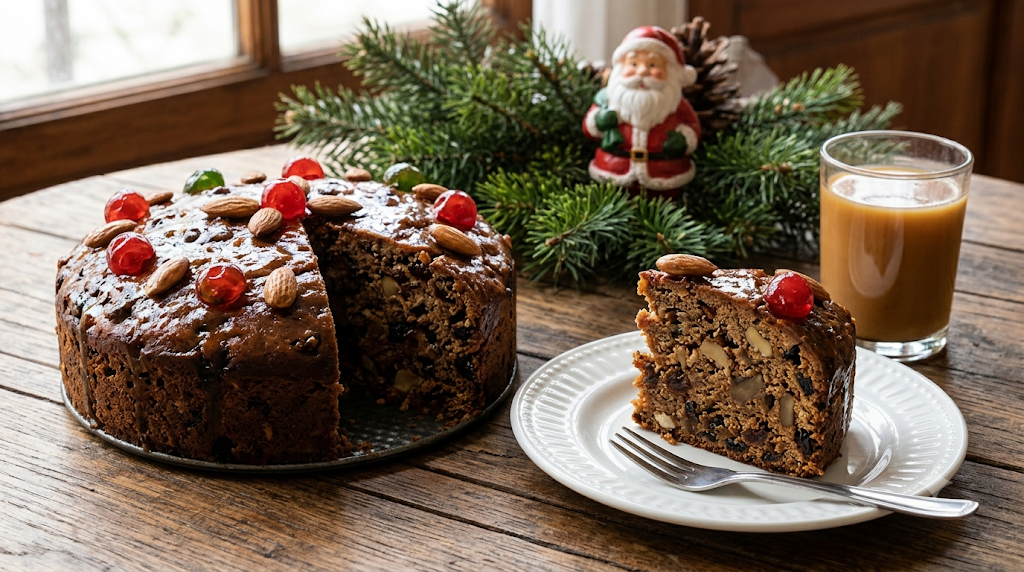
Chilean Pan de Pascua is a traditional festive cake from Chile, commonly pre
30 To Be Ready
Available